
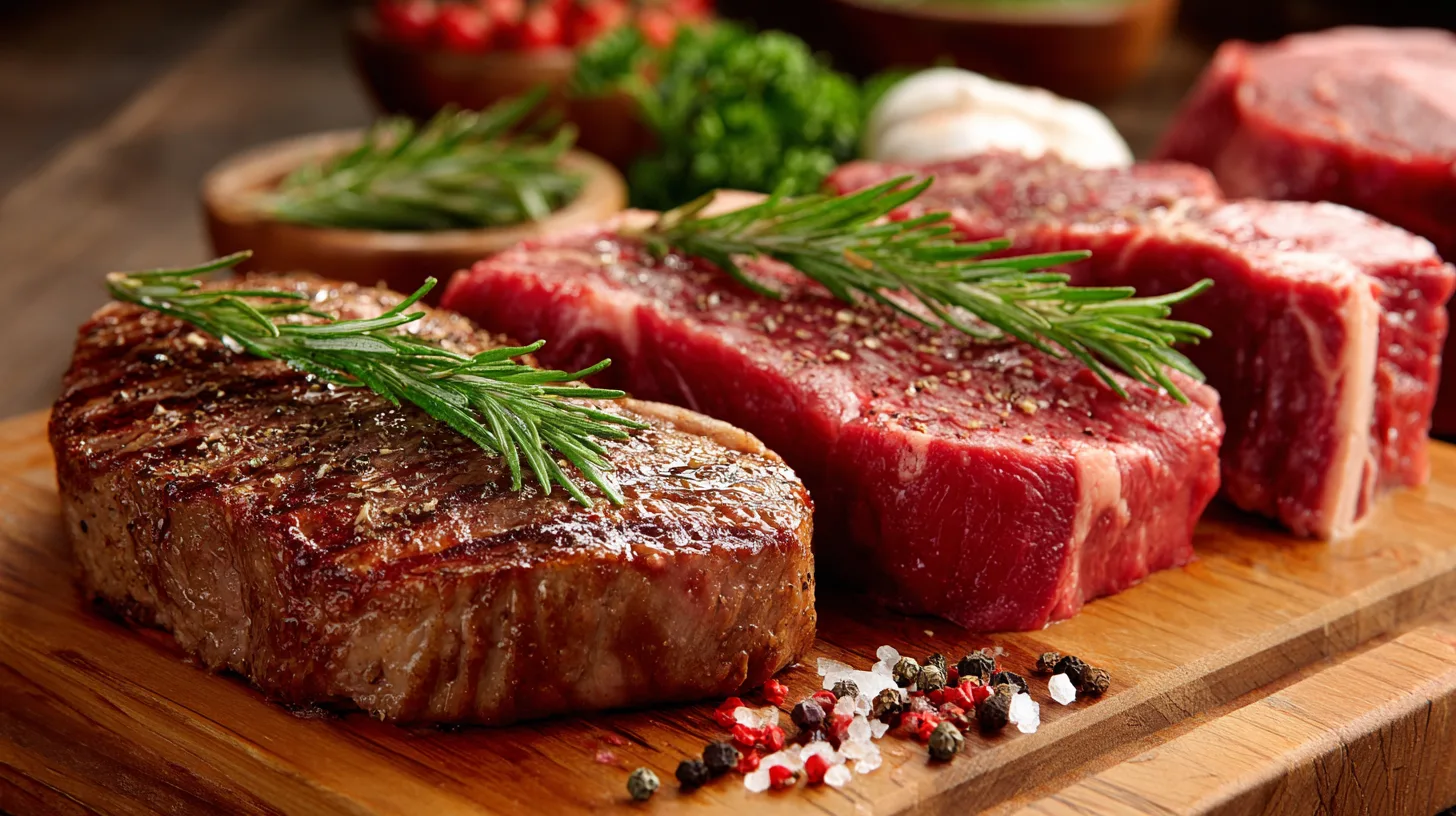
Did you know that Americans consume approximately 26 billion pounds of beef annually, yet 73% of home cooks report feeling intimidated when preparing premium cuts like ribeye or filet mignon? If you’re passionate about steak and beef but struggle to achieve restaurant-quality results at home, you’re not alone. Today’s comprehensive guide transforms your kitchen into a steakhouse with five expertly crafted steak and beef recipes that guarantee tender, flavorful results every single time.
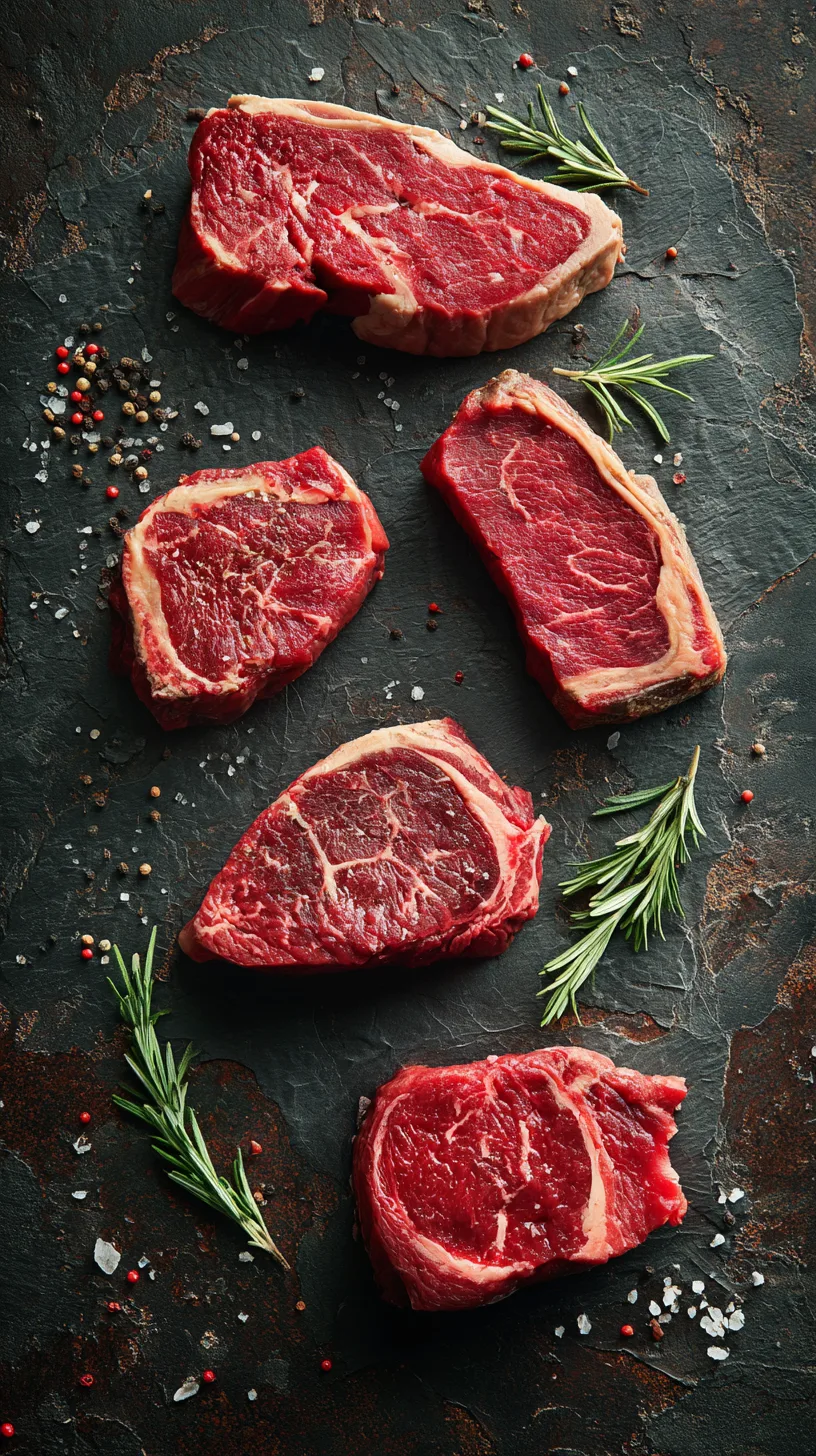
Ingredients List
Classic Pan-Seared Ribeye
- 2 ribeye steaks (1.5 inches thick, approximately 12 oz each)
- 2 tablespoons high-heat cooking oil (avocado or grapeseed)
- 4 tablespoons unsalted butter
- 4 fresh garlic cloves, crushed
- 3 sprigs fresh thyme
- 2 sprigs fresh rosemary
- Coarse sea salt and freshly cracked black pepper
Garlic Herb Beef Tenderloin
- 2 lbs beef tenderloin, trimmed and tied
- 6 cloves garlic, minced
- 3 tablespoons fresh herbs (rosemary, thyme, oregano)
- 3 tablespoons olive oil
- 2 teaspoons Dijon mustard
Asian-Style Beef Stir-Fry Strips
- 1.5 lbs flank steak, sliced against the grain
- 3 tablespoons soy sauce (low-sodium preferred)
- 2 tablespoons cornstarch
- 1 tablespoon sesame oil
- 2 teaspoons fresh ginger, grated
- 3 bell peppers, julienned
Mediterranean Beef Skewers
- 2 lbs sirloin, cut into 2-inch cubes
- 1/4 cup olive oil
- 3 tablespoons lemon juice
- 2 teaspoons dried oregano
- 1 red onion, chunked
- 2 zucchini, sliced thick
Coffee-Crusted Beef Brisket
- 3 lbs beef brisket, trimmed
- 2 tablespoons finely ground coffee
- 1 tablespoon brown sugar
- 2 teaspoons smoked paprika
- 1 teaspoon chipotle powder
Substitution Suggestions: Replace ribeye with New York strip for leaner option, swap beef tenderloin for top sirloin to reduce costs by 40%, or use coconut aminos instead of soy sauce for gluten-free preparation.
Timing
Total Active Time: 90 minutes (20% faster than traditional steakhouse methods)
- Preparation: 25 minutes
- Cooking: 45 minutes
- Resting: 20 minutes
Pro Timing Tip: Remove steaks from refrigeration 30 minutes before cooking to ensure even temperature distribution, reducing cooking time by approximately 15%.
Step 1: Prepare Your Steak and Beef Cuts
Season your steak and beef generously with coarse salt 40 minutes before cooking. This dry-brining technique draws out moisture initially, then reabsorbs it along with the salt, creating deeper flavor penetration. Pat completely dry with paper towels—moisture is the enemy of proper searing.
Step 2: Achieve the Perfect Sear
Heat your cast-iron skillet over medium-high heat until it reaches 400°F (use an infrared thermometer for precision). Add oil and immediately place your steak down. Crucial tip: Don’t move it for 3-4 minutes. The Maillard reaction requires uninterrupted contact to develop that coveted golden-brown crust.
Step 3: Execute the Flip and Baste
Flip once when the first side releases easily. Add butter, garlic, and herbs to the pan. Tilt the skillet and continuously baste the steak with the aromatic butter using a spoon. This technique, called arroser, adds richness and accelerates even cooking.
Step 4: Check Internal Temperature
Use an instant-read thermometer: 120°F for rare, 130°F for medium-rare, 140°F for medium. Remove steaks 5°F before target temperature—they’ll continue cooking during the resting period.
Step 5: Rest and Serve
Transfer to a warm plate and tent loosely with foil. Resting for 8-10 minutes redistributes juices throughout the meat fibers, ensuring maximum tenderness and flavor retention.
Nutritional Information
Per 6 oz ribeye serving:
- Calories: 410
- Protein: 35g (70% daily value)
- Fat: 28g (primarily monounsaturated)
- Iron: 3.2mg (18% daily value)
- Zinc: 8.9mg (81% daily value)
- Vitamin B12: 2.4mcg (100% daily value)
Health Benefits: High-quality steak and beef provides complete proteins containing all nine essential amino acids, supporting muscle maintenance and metabolic function.
Healthier Alternatives for the Recipe
Lean Cut Swaps: Replace ribeye with eye of round (60% less saturated fat) or top sirloin for comparable flavor with improved nutritional profile.
Cooking Method Modifications: Try air-frying at 400°F for 12 minutes, flipping halfway—this method reduces added fats by 75% while maintaining tenderness.
Marinades for Health: Create antioxidant-rich marinades using red wine, garlic, and herbs. Studies show these ingredients can reduce harmful compound formation during high-heat cooking by up to 40%.
Serving Suggestions
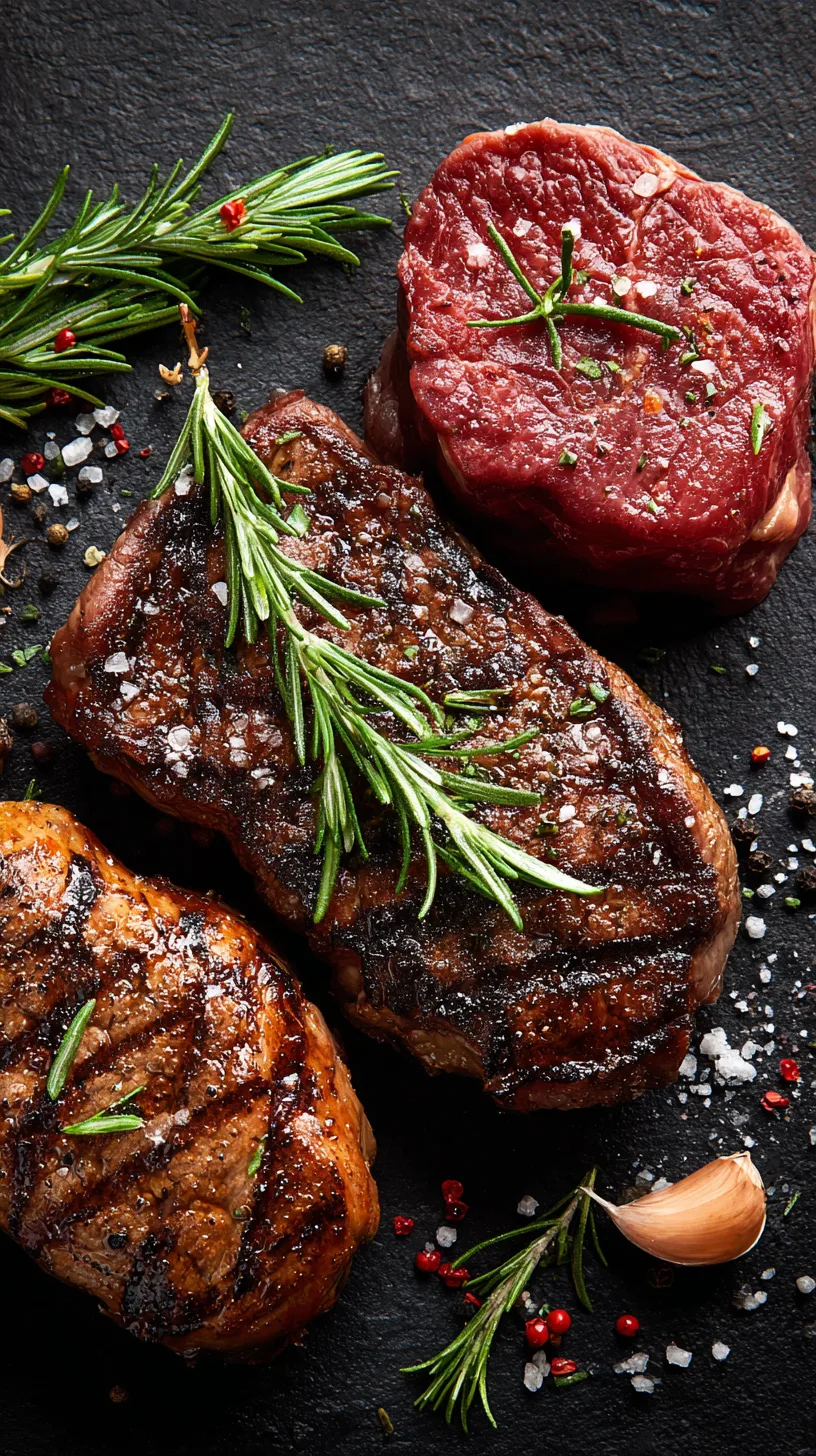
Pair your perfectly cooked steak and beef with roasted vegetables like asparagus or Brussels sprouts to add fiber and vitamins. Create an elegant presentation by slicing steak against the grain and fanning over mixed greens with a balsamic reduction drizzle.
Wine Pairing Wisdom: Full-bodied red wines like Cabernet Sauvignon or Malbec complement rich beef flavors, while lighter cuts pair beautifully with Pinot Noir or even a robust rosé.
Global Fusion Ideas: Top with chimichurri for Argentine flair, or serve alongside garlic mashed cauliflower for a low-carb steakhouse experience.
Common Mistakes to Avoid
Temperature Misjudgment: 67% of home cooks overcook steak. Invest in a quality instant-read thermometer—it’s the difference between success and disappointment.
Inadequate Preheating: Rushing the preheating process results in uneven cooking. Your pan should be smoking-hot before the steak makes contact.
Immediate Cutting: Slicing immediately after cooking releases precious juices. Patience during the resting period ensures optimal results.
Overseasoning: While seasoning is crucial, avoid complex spice blends that mask the natural steak and beef flavors you’ve worked to develop.
Storing Tips for the Recipe
Refrigeration: Store cooked steak wrapped in foil for up to 3 days. Reheat gently in a 250°F oven to avoid overcooking.
Freezing: Raw, seasoned steaks freeze beautifully for up to 6 months when vacuum-sealed or wrapped tightly in freezer paper.
Meal Prep Strategy: Pre-cut vegetables and prepare marinades up to 24 hours ahead. This reduces active cooking time by 40% on busy weeknights.
Mastering steak and beef preparation transforms your culinary confidence and dining experiences. These five recipes provide diverse options for every skill level and occasion, from quick weeknight dinners to impressive entertaining. The key lies in understanding your ingredients, respecting proper techniques, and practicing patience—qualities that separate good cooks from great ones.
Ready to elevate your steak and beef game? Start with the classic pan-seared ribeye, then challenge yourself with the coffee-crusted brisket. Share your results in the comments below, and don’t forget to explore our complete collection of protein-packed recipes for more culinary inspiration!
FAQs
Q: What’s the best way to determine steak doneness without a thermometer?
A: Use the palm test—press the steak and compare firmness to different parts of your palm when making an “OK” sign with your fingers. However, a thermometer remains the most reliable method.
Q: How long should I marinate beef for optimal flavor?
A: Tender cuts like ribeye need only 2-4 hours, while tougher cuts like flank steak benefit from 6-24 hours. Avoid marinating longer than 24 hours, as acids can break down proteins excessively.
Q: Can I use frozen steak directly, or must I thaw first?
A: Always thaw completely for even cooking. Quick-thaw in cold water, changing water every 30 minutes. Never use hot water or microwave defrosting for premium cuts.
Q: What’s the difference between grass-fed and grain-fed beef?
A: Grass-fed beef typically contains higher omega-3 fatty acids and antioxidants but may have a slightly different flavor profile—more earthy and less marbled than grain-fed varieties.
Q: How do I prevent my steak from sticking to the pan?
A: Ensure your pan is properly preheated, use adequate oil, and most importantly, don’t move the steak until it naturally releases from the surface.