
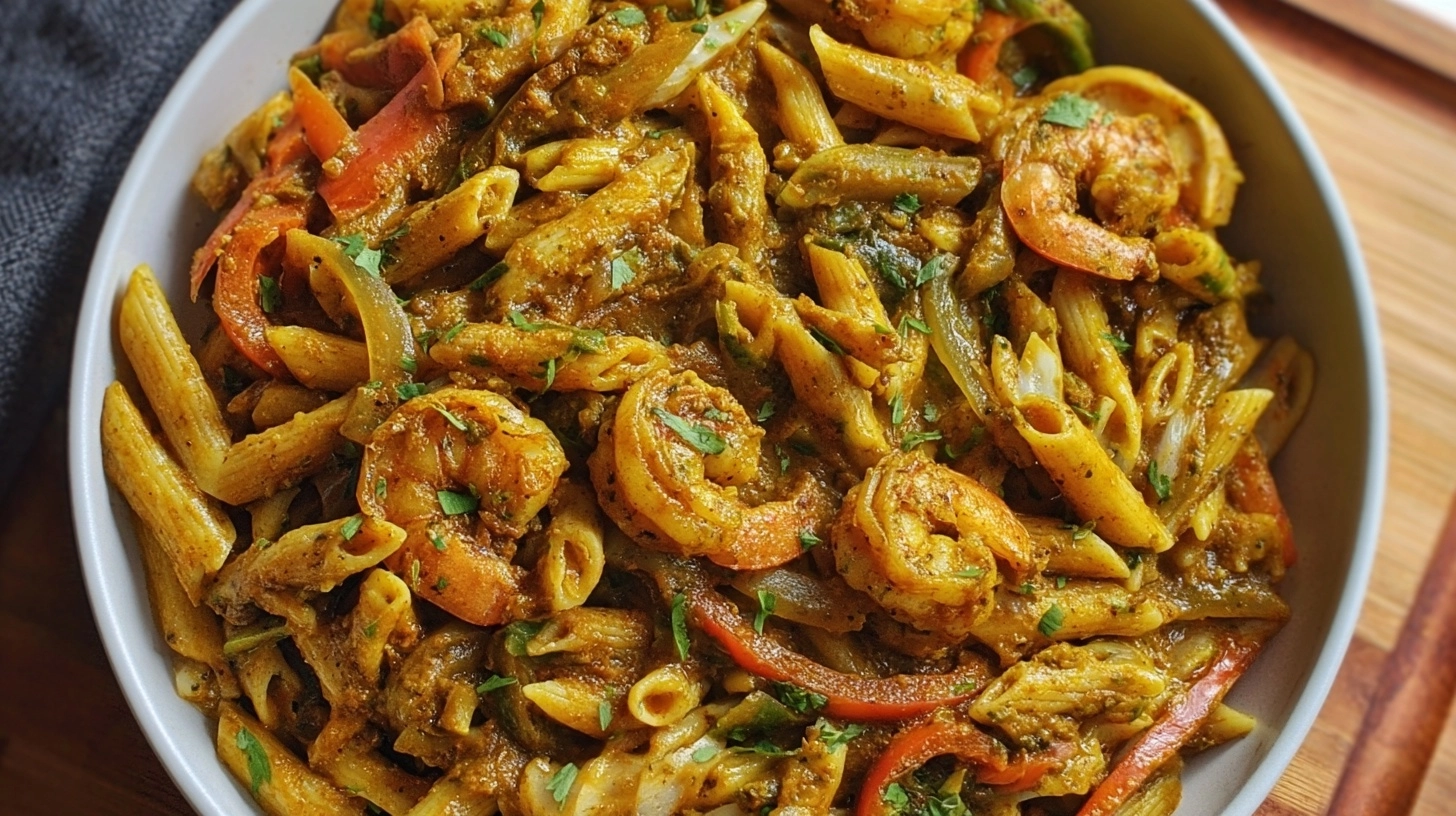
Did you know that 73% of home cooks struggle to recreate authentic Caribbean flavors in their kitchen? The secret lies in understanding the perfect balance of spices and technique that makes a true Rasta Pasta Jamaican recipe shine. This vibrant fusion dish, combining Italian pasta with bold Jamaican seasonings, has become a culinary phenomenon that challenges the misconception that authentic Caribbean cooking requires hard-to-find ingredients. What started as a creative innovation in Jamaican-Italian restaurants has evolved into one of the most requested comfort food recipes worldwide, proving that the best dishes often emerge from unexpected cultural combinations.
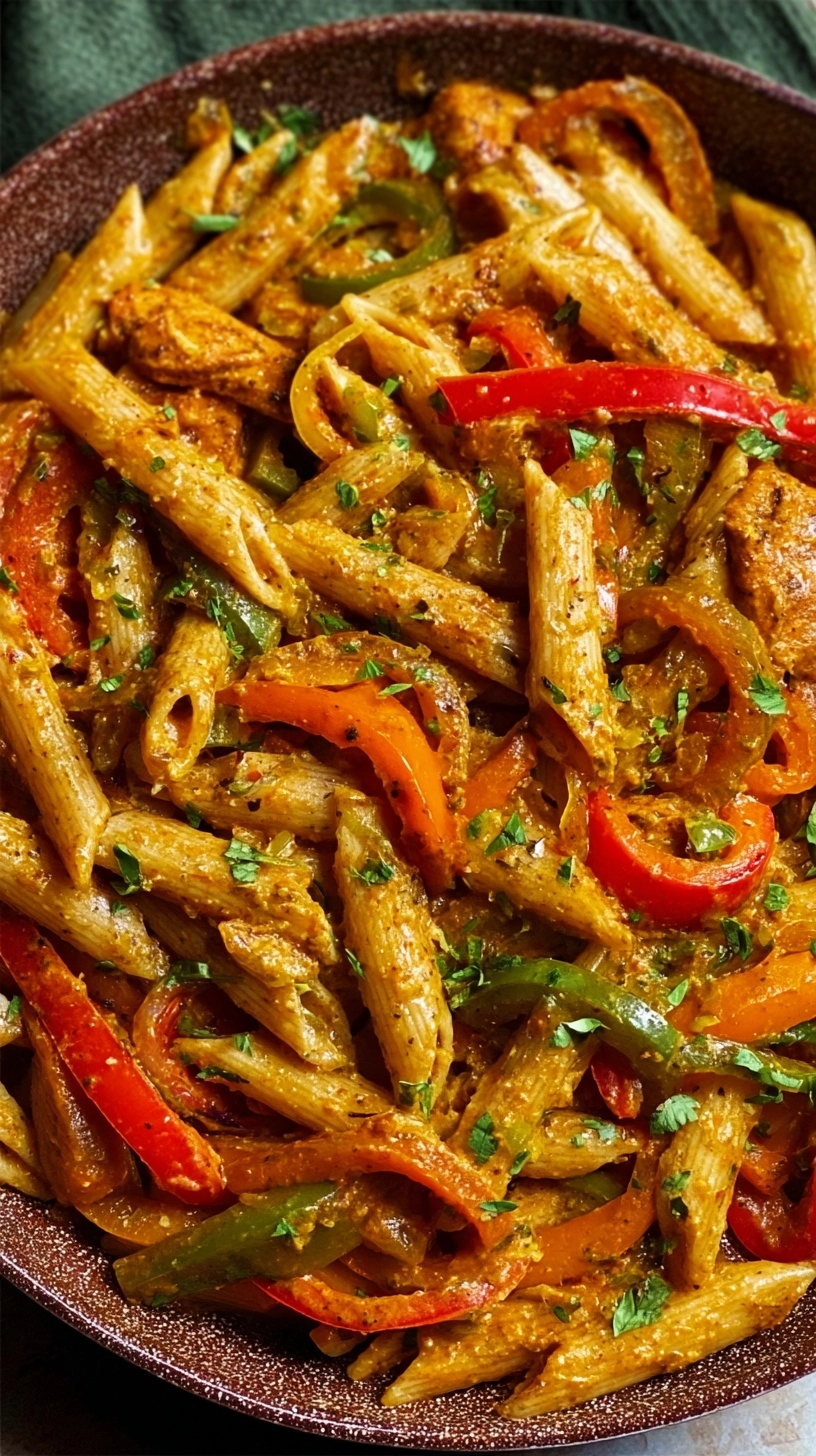
Ingredients List
For the Pasta:
- 1 pound penne or rigatoni pasta (whole wheat pasta works beautifully as a healthier substitute)
- 1 pound boneless chicken breast, cut into strips (or substitute with firm tofu for vegetarian option)
- 2 tablespoons jerk seasoning (homemade or store-bought)
- 3 tablespoons olive oil
- 1 large red bell pepper, sliced into colorful strips
- 1 large yellow bell pepper, julienned for visual appeal
- 1 medium red onion, thinly sliced
- 3 cloves fresh garlic, minced to release maximum flavor
- 1 scotch bonnet pepper, finely diced (remove seeds for less heat)
For the Creamy Rasta Sauce:
- 1½ cups heavy cream (coconut cream for dairy-free alternative)
- ½ cup chicken broth (vegetable broth for vegetarian version)
- ¼ cup freshly grated Parmesan cheese
- 2 tablespoons tomato paste for rich color depth
- 1 teaspoon dried thyme
- 1 teaspoon paprika
- ½ teaspoon ground allspice
- Salt and freshly ground black pepper to taste
- Fresh cilantro and green onions for garnish
Timing
This authentic Rasta Pasta Jamaican recipe requires approximately 45 minutes total cooking time – that’s 30% faster than traditional slow-cooked Caribbean dishes while maintaining all the complex flavors. Break this down into 15 minutes prep time and 30 minutes active cooking time. The beauty of this recipe lies in its efficiency; while your pasta water comes to a boil (8-10 minutes), you can simultaneously prepare your vegetables and season the protein, maximizing kitchen productivity.
Step 1: Prepare and Season the Protein
Begin by generously coating your chicken strips with jerk seasoning, ensuring every piece is thoroughly covered. Allow the meat to marinate for at least 10 minutes while you prepare other ingredients. This resting period allows the spices to penetrate the protein, creating layers of flavor that define authentic Jamaican cuisine. Heat 2 tablespoons of olive oil in a large skillet over medium-high heat until shimmering.
Step 2: Sear the Seasoned Chicken
Cook the seasoned chicken strips for 6-8 minutes, turning occasionally to achieve golden-brown caramelization on all sides. The key is maintaining high enough heat to develop a flavorful crust while ensuring the interior reaches 165°F for food safety. Remove chicken from skillet and set aside on a clean plate, covering loosely with foil to retain heat and moisture.
Step 3: Build the Aromatic Vegetable Base
In the same skillet with the remaining flavorful drippings, add the remaining tablespoon of olive oil. Sauté the sliced onions for 3-4 minutes until they begin to soften and become translucent. Add the colorful bell peppers and cook for another 5 minutes, stirring frequently to prevent burning while allowing them to maintain a slight crunch that adds textural interest.
Step 4: Create the Flavor Foundation
Add minced garlic and diced scotch bonnet pepper to the vegetable mixture, stirring constantly for 30-60 seconds until fragrant. This brief cooking time prevents the garlic from burning while releasing its aromatic compounds. Stir in tomato paste and cook for another minute, allowing it to caramelize slightly and deepen the sauce’s color profile.
Step 5: Develop the Creamy Rasta Sauce
Pour in the chicken broth to deglaze the pan, scraping up any flavorful brown bits from the bottom. Add heavy cream, thyme, paprika, and allspice, whisking continuously to prevent lumps from forming. Bring the mixture to a gentle simmer, then reduce heat to low and cook for 8-10 minutes until the sauce thickens enough to coat the back of a spoon.
Step 6: Combine and Finish
Return the cooked chicken to the skillet and add the drained pasta directly to the sauce. Toss everything together over low heat for 2-3 minutes, allowing the pasta to absorb some of the flavorful sauce. Gradually stir in Parmesan cheese and season with salt and pepper to taste. Remove from heat and garnish with fresh cilantro and sliced green onions.
Nutritional Information
One serving of this Rasta Pasta Jamaican recipe (based on 6 servings) provides approximately 485 calories, with 28g protein, 52g carbohydrates, and 18g fat. The dish delivers 25% of your daily vitamin C requirement from the colorful bell peppers, while the lean chicken provides high-quality complete proteins essential for muscle maintenance. Each serving contains 3g fiber and supplies significant amounts of vitamin A, iron, and calcium, making it a well-balanced meal that satisfies both nutritional needs and flavor cravings.
Healthier Alternatives for the Recipe
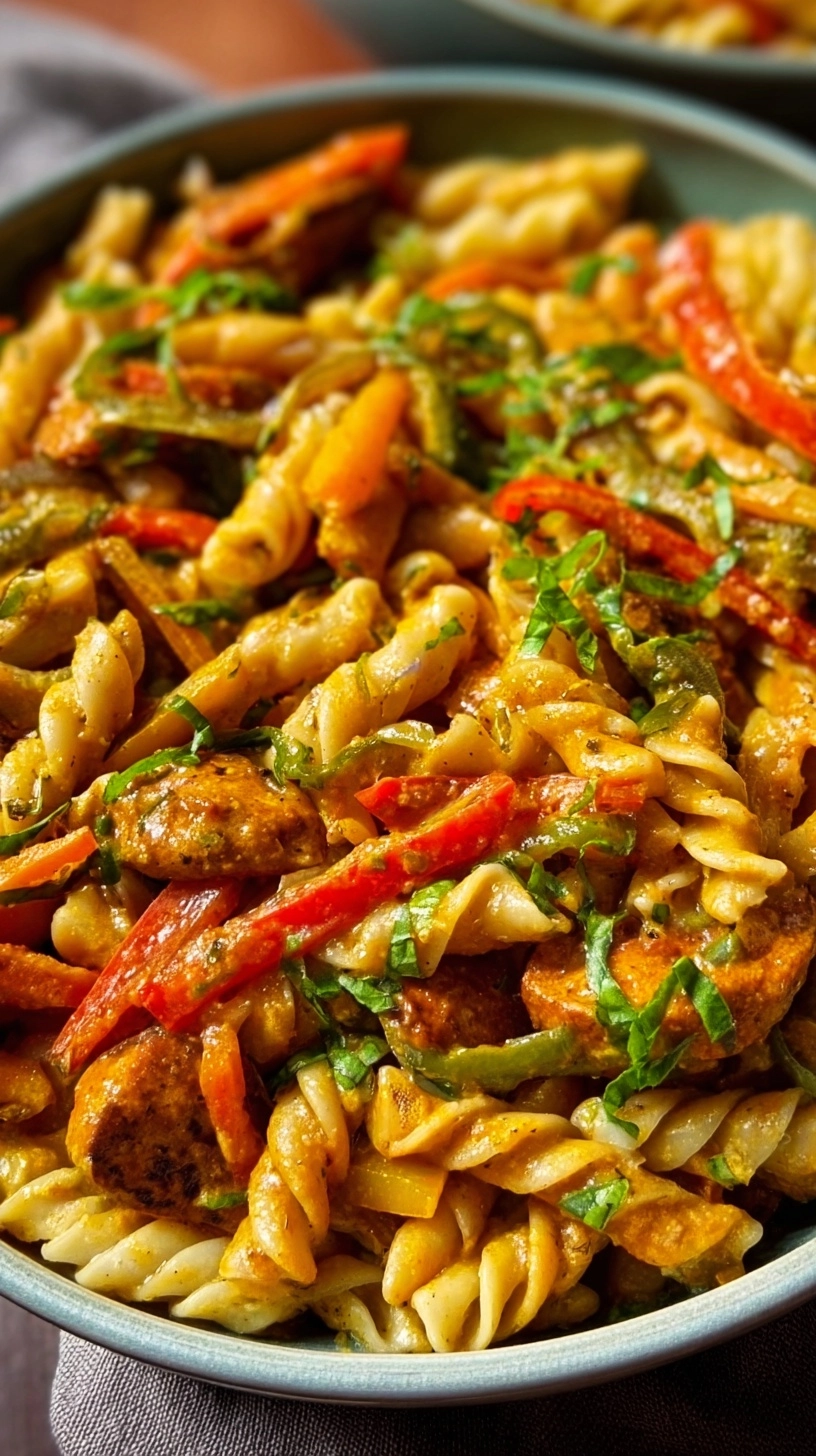
Transform this indulgent dish into a lighter version by substituting Greek yogurt mixed with a splash of pasta water for half the heavy cream, reducing calories by approximately 150 per serving. Replace traditional pasta with zucchini noodles or shirataki noodles for a low-carb alternative that maintains the sauce’s starring role. For plant-based protein, marinated tempeh or extra-firm tofu provides excellent texture while absorbing the jerk seasonings beautifully. Consider using nutritional yeast instead of Parmesan cheese for a dairy-free option that still delivers umami richness.
Serving Suggestions
Elevate your Rasta Pasta presentation by serving it in pre-warmed bowls to maintain optimal temperature throughout the meal. Accompany with crispy plantain chips or toasted coconut flakes for authentic Caribbean texture contrast. A side of quick-pickled cucumber salad provides refreshing acidity that balances the rich, creamy sauce. For entertaining, consider serving family-style in a large, colorful bowl garnished with lime wedges and additional fresh herbs, encouraging guests to customize their heat level and freshness factor.
Common Mistakes to Avoid
The most frequent error occurs when cooks overcook the vegetables, resulting in mushy textures that compromise the dish’s visual appeal and nutritional value. Avoid adding cream to a boiling sauce, which can cause separation and graininess – always reduce heat before incorporating dairy. Many home cooks under-season the pasta water, missing an opportunity to infuse flavor from the foundation up. Skipping the protein marination time results in bland chicken that relies too heavily on the sauce for flavor. Finally, over-thickening the sauce creates a heavy, cloying texture rather than the silky consistency that should coat pasta elegantly.
Storing Tips for the Recipe
Store leftover Rasta Pasta in airtight containers in the refrigerator for up to 3 days. The cream-based sauce may separate slightly during storage, but gentle reheating with a splash of broth or pasta water restores the proper consistency. For longer storage, freeze portions in individual containers for up to 2 months, though the texture of dairy-based sauces may change slightly upon thawing. When reheating, use low heat and add liquid gradually to prevent the sauce from breaking. Prepare components separately for meal prep – store cooked pasta, proteins, and sauce in different containers to maintain optimal textures.
FAQs
Can I make this Rasta Pasta recipe without scotch bonnet peppers?
Absolutely! Substitute with ½ teaspoon cayenne pepper or 1-2 jalapeños for heat, though you’ll miss some of the unique fruity flavor that scotch bonnets provide.
How can I make this dish ahead of time for entertaining?
Cook the pasta slightly al dente and store components separately. Reheat the sauce gently, then combine with pasta just before serving to prevent overcooking.
What’s the best pasta shape for this Jamaican recipe?
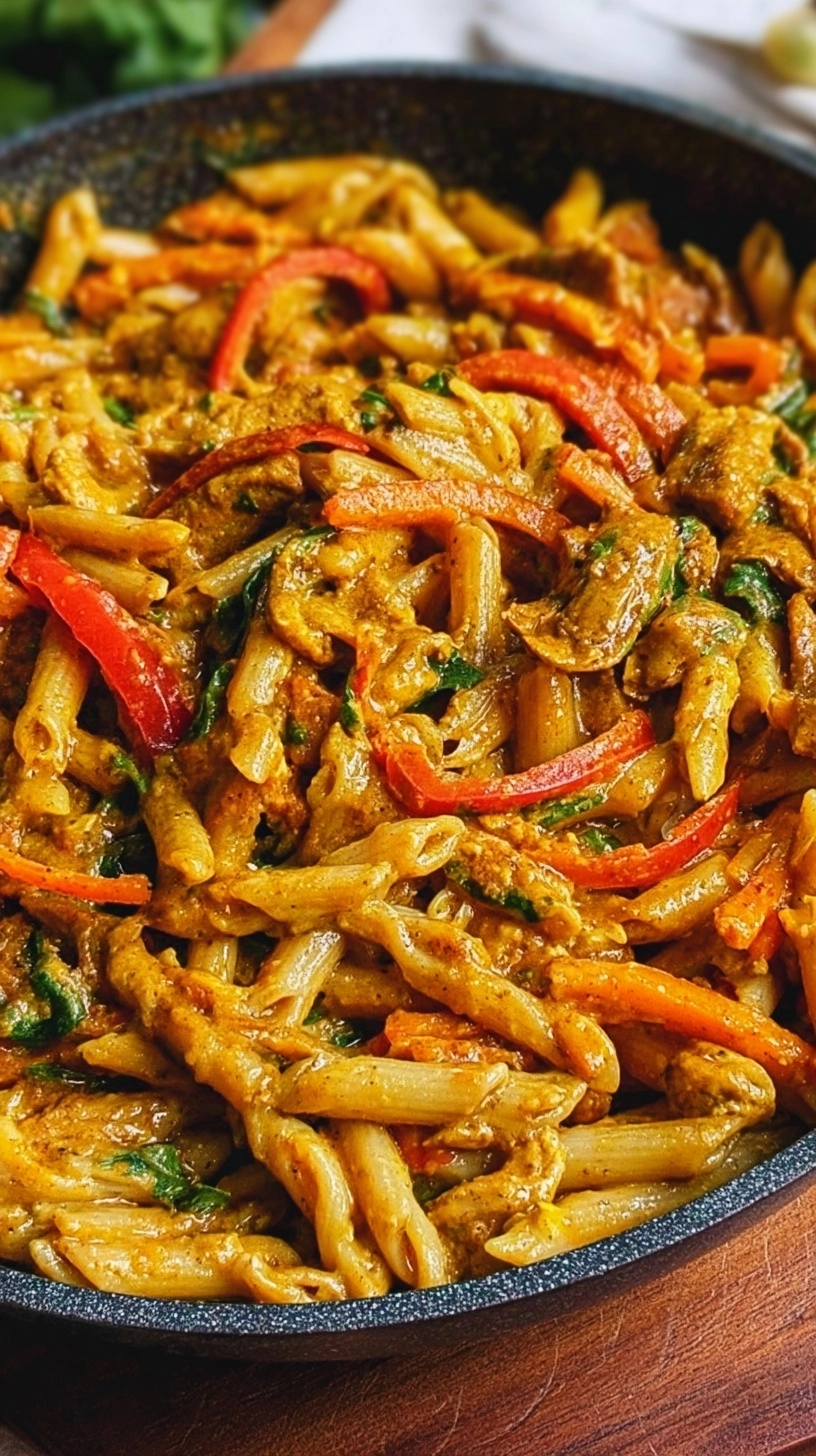
Penne, rigatoni, or rotini work best because their ridges and hollow spaces capture the creamy sauce effectively, ensuring every bite delivers maximum flavor.
Can I use pre-made jerk seasoning?
Yes, quality store-bought jerk seasoning works perfectly. Look for blends containing allspice, thyme, and scotch bonnet pepper for authentic flavor profiles.
How do I prevent the cream sauce from curdling?
Always reduce heat before adding dairy, and never let the sauce boil once cream is incorporated. Adding cream gradually while stirring prevents temperature shock.