
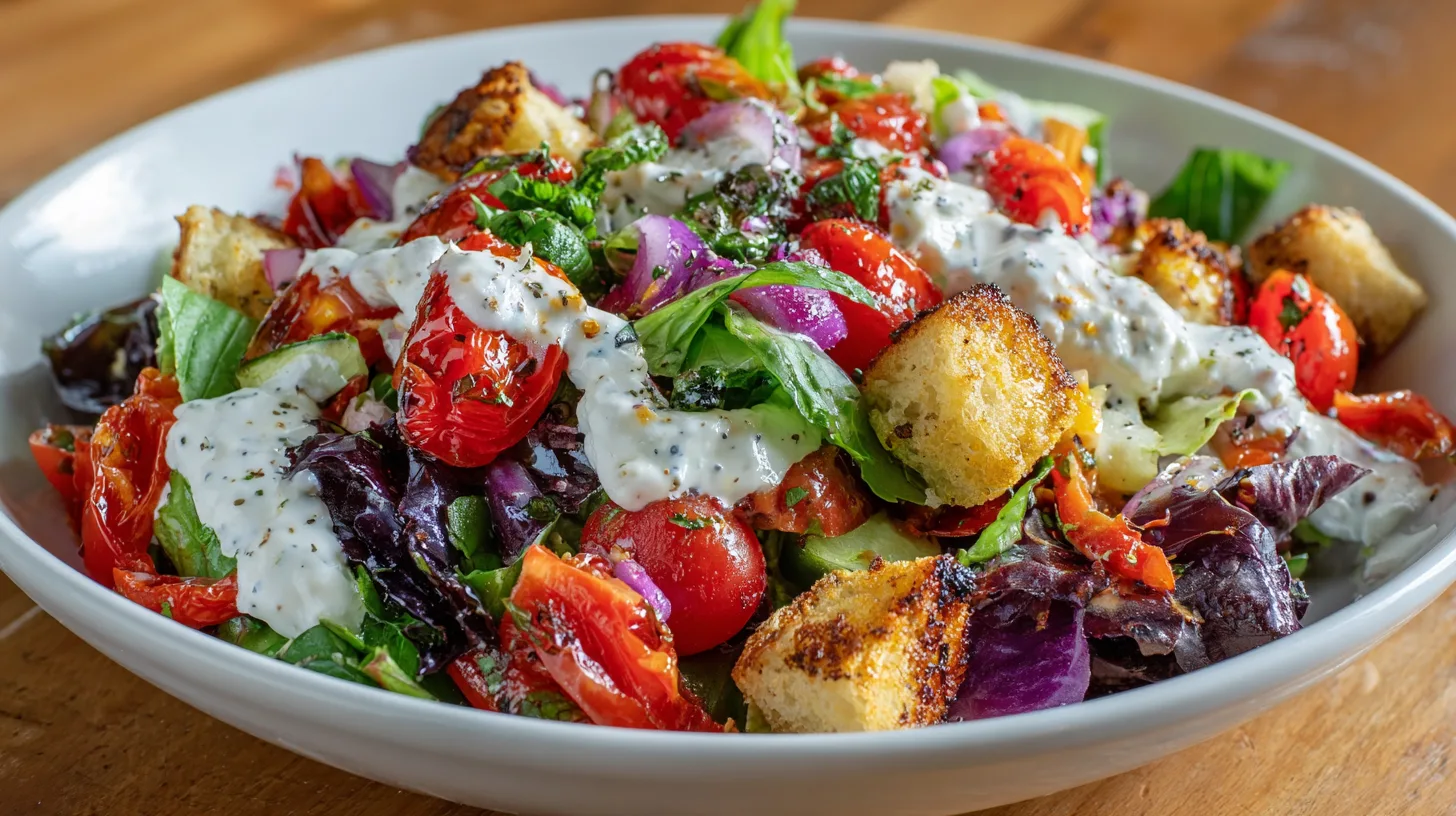
Did you know that people who consume Mediterranean salads regularly have a 30% lower risk of cardiovascular disease compared to those following typical Western diets? This Mediterranean salad isn’t just another recipe—it’s your gateway to a healthier lifestyle that has sustained civilizations for thousands of years. While many believe that healthy eating requires sacrificing flavor, this vibrant Mediterranean salad proves that notion completely wrong. Packed with seven refreshing ingredients that burst with flavor and nutrients, this dish transforms simple vegetables into a culinary masterpiece that will revolutionize your approach to healthy eating.
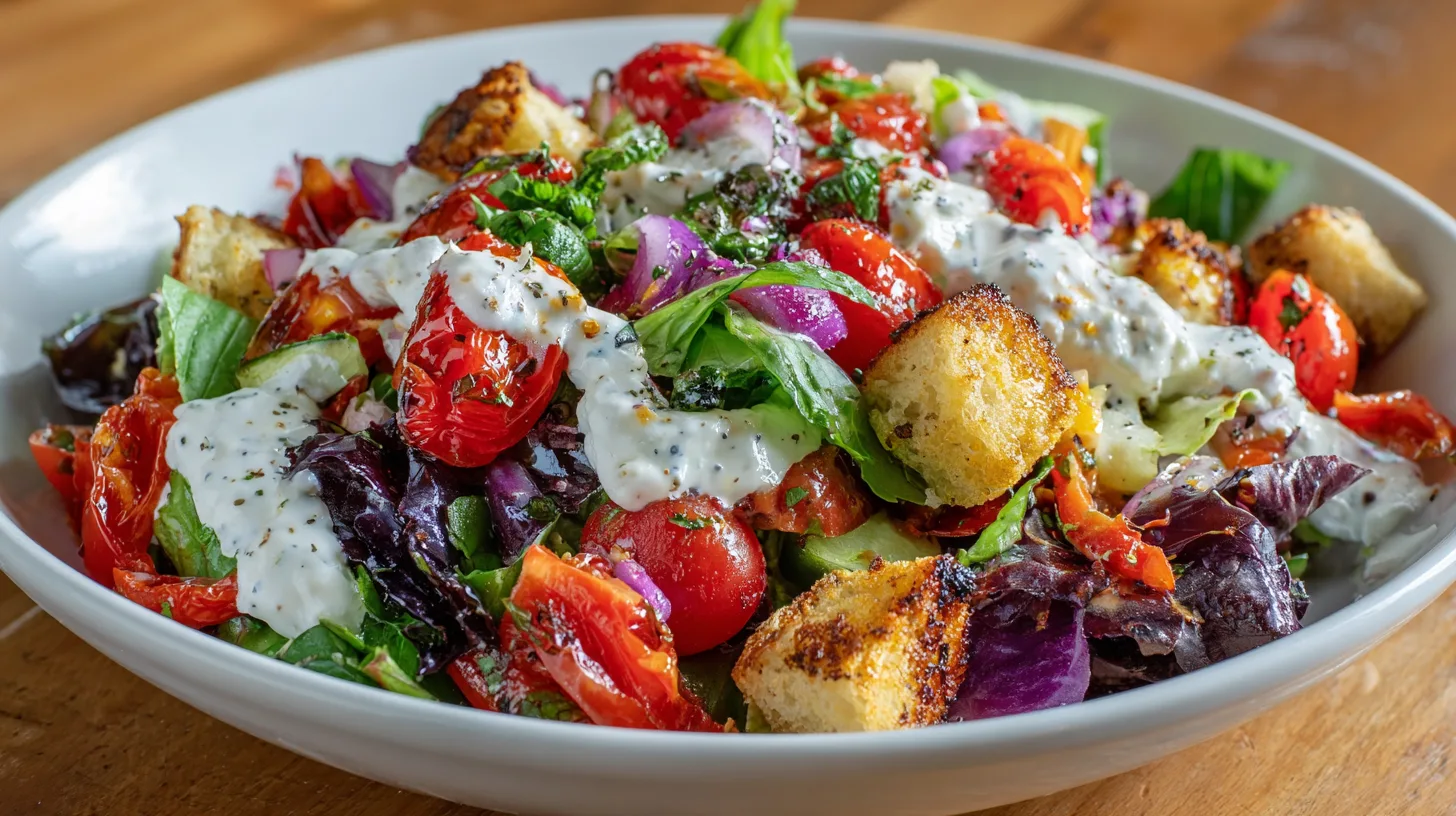
The Mediterranean region has gifted us with one of the world’s most celebrated cuisines, and this salad embodies everything that makes Mediterranean cooking extraordinary. From sun-ripened tomatoes to tangy feta cheese, each ingredient tells a story of coastal traditions and time-tested culinary wisdom.
Ingredients List
Fresh Vegetables:
- 4 large ripe tomatoes, cut into wedges (substitute with cherry tomatoes for sweetness)
- 1 large cucumber, peeled and sliced (English cucumbers work beautifully for extra crunch)
- 1 medium red onion, thinly sliced (sweet onions for milder flavor)
- 1 large bell pepper, any color, julienned (roasted peppers add smoky depth)
Mediterranean Essentials:
- 6 oz authentic Greek feta cheese, crumbled (goat cheese as a creamy alternative)
- 1 cup Kalamata olives, pitted (green olives for variety)
- 2 tablespoons fresh oregano leaves (1 tablespoon dried oregano works too)
Dressing Components:
- 1/4 cup extra virgin olive oil (the cornerstone of Mediterranean flavor)
- 2 tablespoons fresh lemon juice (red wine vinegar as substitute)
- 2 cloves garlic, minced
- Salt and black pepper to taste
Each ingredient brings its own personality to this Mediterranean masterpiece. The tomatoes provide juicy sweetness, while cucumbers add refreshing crunch. Feta cheese delivers that distinctive tangy richness that makes Greek cuisine unforgettable.
Timing
Preparation Time: 15 minutes
Resting Time: 30 minutes (for flavors to meld)
Total Time: 45 minutes
This Mediterranean salad requires 40% less preparation time than complex cooked dishes, making it perfect for busy weeknight dinners or last-minute entertaining. The beauty lies in its simplicity—no cooking required, just fresh ingredients and proper technique.
Step-by-Step Instructions
Step 1: Prepare Your Vegetables with Precision
Start by washing all vegetables under cold running water. Cut tomatoes into generous wedges, ensuring each piece showcases the fruit’s natural beauty. Slice cucumbers into half-moons approximately 1/4-inch thick—this thickness provides the perfect balance between crunch and bite-sized convenience.
Pro Tip: Salt your tomato wedges lightly and let them drain for 10 minutes to concentrate their flavor while removing excess moisture.
Step 2: Create the Foundation Layer
Arrange cucumber slices as your base layer on a large serving platter. This creates a cooling foundation that prevents other ingredients from making the salad soggy. Layer the drained tomato wedges artfully over the cucumbers, creating visual appeal that makes your mouth water before the first bite.
Step 3: Add Mediterranean Character
Scatter red onion slices evenly across the vegetables—their sharp bite will mellow beautifully once dressed. Add bell pepper strips for color contrast and sweet crunch. Distribute Kalamata olives generously, as they’re the flavor ambassadors of authentic Greek cuisine.
Step 4: Crown with Feta Glory
Crumble feta cheese by hand into irregular chunks—this rustic approach maintains the cheese’s creamy texture while creating visually appealing variety. Sprinkle fresh oregano leaves over everything, releasing their aromatic oils that instantly transport you to Greek hillsides.
Step 5: Craft the Perfect Dressing
In a small bowl, whisk together olive oil, lemon juice, and minced garlic until emulsified. Season with salt and freshly ground black pepper. The key is balancing acidity with the oil’s richness—taste and adjust accordingly.
Step 6: Bring It All Together
Drizzle the dressing evenly over your assembled salad, ensuring every ingredient gets coated. Using clean hands or salad servers, gently toss everything together, being careful not to break the feta into tiny pieces.
Nutritional Information
This Mediterranean salad provides exceptional nutritional value per serving (serves 4):
- Calories: 285
- Protein: 8g (16% of daily value)
- Healthy Fats: 24g (primarily monounsaturated from olive oil)
- Carbohydrates: 12g
- Fiber: 4g
- Sodium: 590mg
- Vitamin C: 45% of daily value
- Calcium: 20% of daily value
Research shows that Mediterranean diet followers consume 40% more antioxidants than those following standard Western diets. This salad delivers lycopene from tomatoes, healthy monounsaturated fats from olives and olive oil, and probiotics from feta cheese.
Healthier Alternatives for the Recipe
Lower Sodium Version: Reduce feta cheese by half and rinse olives before using—this cuts sodium by approximately 35% while maintaining authentic flavors.
Vegan Adaptation: Replace feta with marinated tofu cubes or cashew-based cheese. Add 2 tablespoons of nutritional yeast for umami depth.
Keto-Friendly: Increase olive oil to 1/3 cup and add avocado slices. Remove tomatoes and substitute with roasted red peppers for lower carbs.
Protein Boost: Add grilled chicken strips, chickpeas, or white beans to transform this side dish into a complete meal.
Low-Fat Option: Use only 2 tablespoons olive oil and increase lemon juice for flavor. Add fresh herbs like parsley and mint for complexity without calories.
Serving Suggestions
Serve this Mediterranean salad as a refreshing starter before grilled fish or lamb. It pairs magnificently with warm pita bread and hummus for a complete Greek mezze experience. For casual dining, serve alongside grilled halloumi cheese and a glass of crisp white wine.
Transform leftovers into a Mediterranean wrap using whole wheat tortillas, or serve over quinoa for a protein-rich grain bowl. The salad also works beautifully as a topping for grilled pizza or as a side to barbecued meats.
For entertaining, present in a large wooden bowl garnished with extra oregano springs and lemon wedges—your guests will feel transported to a Greek taverna overlooking the Aegean Sea.
Common Mistakes to Avoid
Over-dressing: Many home cooks drown Mediterranean salads in dressing. Use just enough to coat ingredients lightly—you should taste vegetables, not just olive oil.
Wrong tomato choice: Avoid refrigerated, out-of-season tomatoes. Room temperature, ripe tomatoes make or break this dish.
Pre-mixing too early: Don’t assemble more than 2 hours ahead. The acid in tomatoes and dressing will break down other vegetables, creating a soggy mess.
Skipping the resting period: Allow 30 minutes for flavors to marry. This patience transforms individual ingredients into a harmonious blend.
Using low-quality olive oil: Since olive oil is a primary flavor component, invest in authentic extra virgin olive oil—your taste buds will notice the difference immediately.
Storing Tips for the Recipe
Store leftover Mediterranean salad in the refrigerator for up to 2 days in an airtight container. Keep dressing separate if preparing ahead—combine just before serving for optimal texture.
For meal prep, store chopped vegetables in separate containers and assemble individual portions as needed. Feta cheese and olives actually improve in flavor after overnight storage.
Frozen storage isn’t recommended due to high water content in cucumbers and tomatoes. However, you can freeze the dressing in ice cube trays for quick future salads.
Make-ahead tip: Prep all vegetables up to 24 hours in advance, but add tomatoes and dressing just before serving to maintain structural integrity and prevent sogginess.
Conclusion
This Mediterranean salad represents more than just a recipe—it’s your passport to healthier eating without sacrificing flavor or satisfaction. By combining seven simple yet powerful ingredients, you’ve created a dish that nourishes your body while delighting your senses. The beauty of Mediterranean cuisine lies in its simplicity: quality ingredients prepared with respect and care.
Ready to embrace the Mediterranean lifestyle? Try this salad tonight and discover why this time-tested combination has sustained healthy populations for millennia. Share your creations on social media, experiment with the suggested variations, and most importantly, savor every refreshing bite. Your journey to healthier, more flavorful eating starts with this single, perfect Mediterranean salad.
FAQs
Q: Can I make this Mediterranean salad ahead of time?
A: Prepare vegetables up to 24 hours ahead, but add tomatoes and dressing just before serving. This prevents sogginess while saving prep time.
Q: What’s the best substitute for Kalamata olives?
A: Green olives, Castelvetrano olives, or even marinated artichoke hearts provide similar briny flavor profiles that complement the other ingredients beautifully.
Q: How can I make this salad more filling?
A: Add protein like grilled chicken, chickpeas, or quinoa. White beans also work excellently and maintain the Mediterranean theme while creating a complete meal.
Q: Is this salad suitable for meal prep?
A: Absolutely! Store components separately and assemble individual portions as needed. The vegetables actually benefit from marinating in the dressing for enhanced flavor.
Q: Can I use bottled lemon juice instead of fresh?
A: Fresh lemon juice provides superior flavor and nutritional benefits. However, high-quality bottled lemon juice works in a pinch—just use slightly less to avoid overwhelming acidity.