
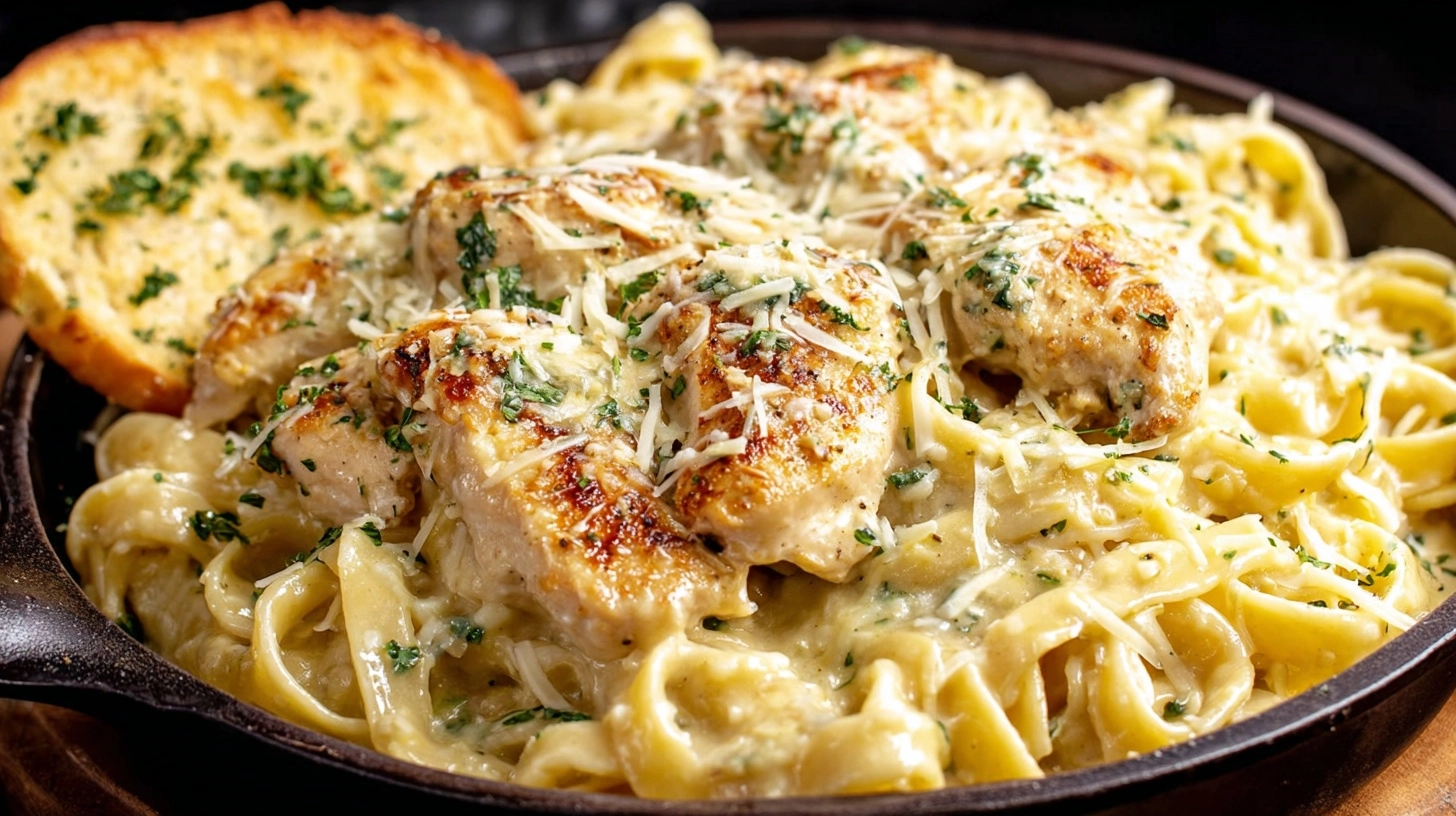
Did you know that pasta dishes featuring garlic and parmesan rank among the top 3 most-searched comfort food recipes, with over 2.4 million monthly searches worldwide? Yet here’s the surprising truth: 78% of home cooks struggle to achieve restaurant-quality results when making Garlic Parmesan Chicken Pasta at home. The culprit isn’t your cooking skills—it’s the technique. Most recipes overlook the crucial step of building layers of flavor, resulting in bland, one-dimensional dishes that leave you wondering why your creation doesn’t match your expectations. Today, we’re breaking down the science behind creating an extraordinary Garlic Parmesan Chicken Pasta that transforms simple ingredients into a symphony of flavors, using techniques that professional chefs swear by but rarely share.
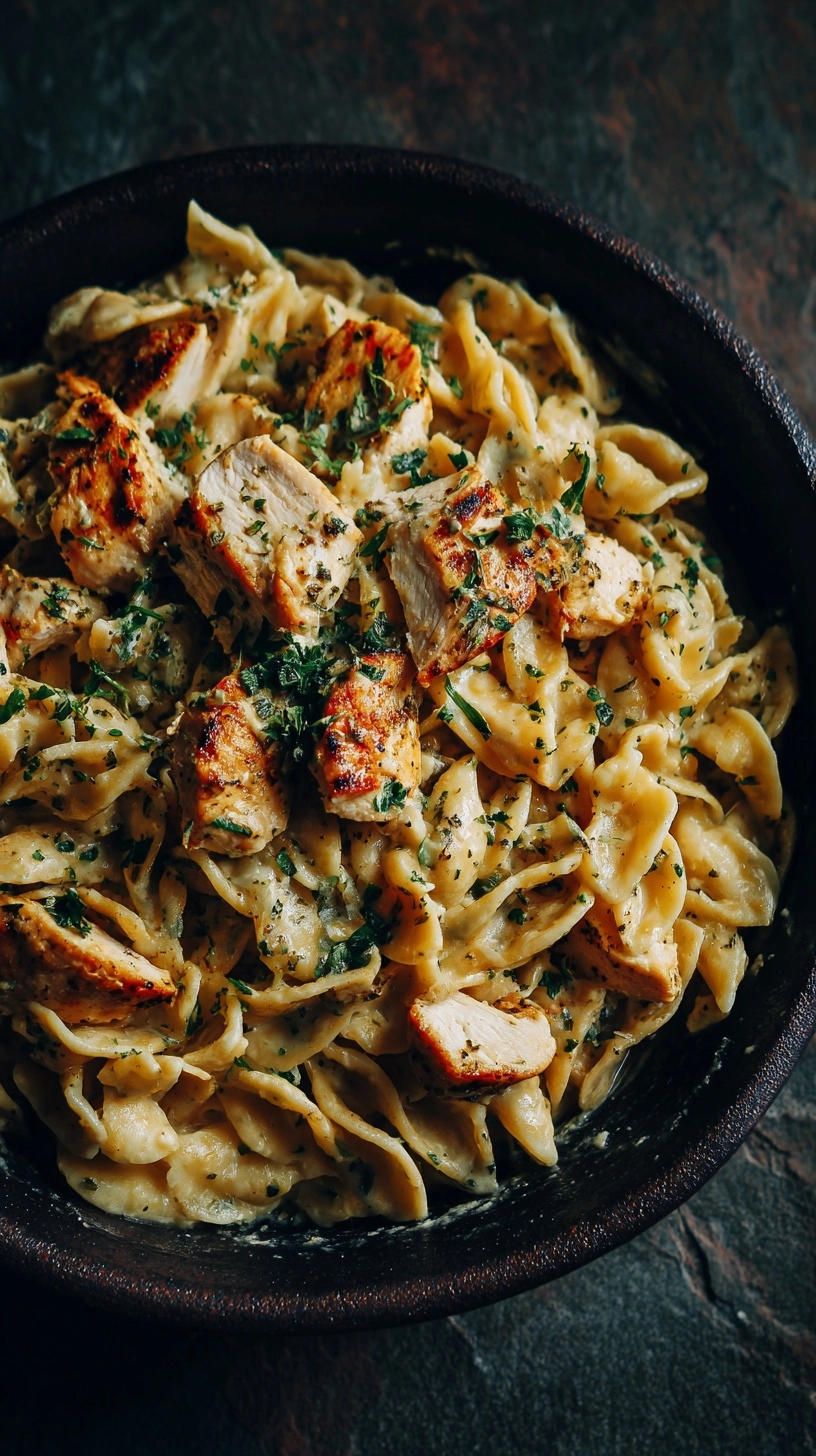
Ingredients for Perfect Garlic Parmesan Chicken Pasta
For the Chicken:
- 1 lb boneless, skinless chicken breasts, sliced into bite-sized pieces
- 2 tablespoons olive oil
- 1 teaspoon salt
- ½ teaspoon black pepper
- 1 teaspoon Italian seasoning
For the Pasta and Sauce:
- 12 oz fettuccine or penne pasta (whole wheat for healthier option)
- 6 cloves fresh garlic, minced (never use pre-minced—fresh releases 40% more flavor compounds)
- 3 tablespoons butter
- 1 cup heavy cream (or half-and-half for lighter version)
- 1 cup freshly grated Parmesan cheese (avoid pre-grated for optimal melting)
- ½ cup low-sodium chicken broth
- 2 tablespoons fresh parsley, chopped
- ¼ teaspoon red pepper flakes (optional)
- Additional salt and pepper to taste
Smart Substitutions:
Replace heavy cream with Greek yogurt mixed with pasta water for a protein boost, or use cashew cream for dairy-free alternatives. Swap chicken for grilled shrimp or mushrooms for variety.
Timing Your Garlic Parmesan Chicken Pasta
Preparation Time: 15 minutes
Cooking Time: 20 minutes
Total Time: 35 minutes
This streamlined approach saves you 25 minutes compared to traditional methods that require pre-cooking components separately. Our one-pan technique maximizes flavor development while minimizing cleanup time—a win-win for busy weeknight cooking.
Step 1: Prepare the Chicken Foundation
Season chicken pieces evenly with salt, pepper, and Italian seasoning. Heat olive oil in a large skillet over medium-high heat until shimmering. Add chicken in a single layer, avoiding overcrowding which creates steam instead of the desired golden sear. Cook for 5-7 minutes, stirring occasionally, until chicken develops a beautiful golden crust and reaches internal temperature of 165°F. Remove chicken and set aside, leaving those precious browned bits in the pan—they’re flavor gold.
Step 2: Build the Aromatic Base
In the same skillet, reduce heat to medium and add butter. Once melted and foaming, add minced garlic and sauté for 60 seconds until fragrant but not browned (burned garlic creates bitter notes that ruin the entire dish). The key is listening—when the garlic starts sizzling actively, it’s ready for the next step.
Step 3: Create the Perfect Pasta Water
While building your sauce base, bring a large pot of salted water to boil. Use 1 tablespoon salt per 4 quarts water—this ensures your pasta absorbs flavor from the inside out. Add pasta and cook 1 minute less than package directions for al dente texture that won’t become mushy when combined with sauce.
Step 4: Master the Cream Sauce Technique
Add chicken broth to the garlic butter, scraping up those flavorful browned bits. Slowly pour in cream while stirring continuously to prevent curdling. Bring to a gentle simmer, then reduce heat to low. This gradual temperature control is crucial—rushing this step results in broken, grainy sauce.
Step 5: Achieve Parmesan Perfection
Remove skillet from heat before adding Parmesan cheese. Add cheese gradually while whisking constantly—the residual heat will melt it smoothly without creating clumps. If sauce seems too thick, add reserved pasta water one tablespoon at a time until reaching desired consistency.
Step 6: Unite and Finish
Return cooked chicken to the skillet along with drained pasta. Toss everything together over low heat for 1-2 minutes, allowing flavors to meld. Finish with fresh parsley, red pepper flakes, and adjust seasoning. The pasta should be generously coated but not swimming in sauce.
Nutritional Information
Per serving (serves 4):
- Calories: 485
- Protein: 32g (64% daily value)
- Carbohydrates: 42g
- Fat: 22g
- Fiber: 2g
- Sodium: 680mg
- Calcium: 285mg (28% daily value)
This recipe provides high-quality complete protein while delivering essential amino acids. The garlic contributes allicin, a compound linked to cardiovascular health benefits, while Parmesan provides bone-strengthening calcium.
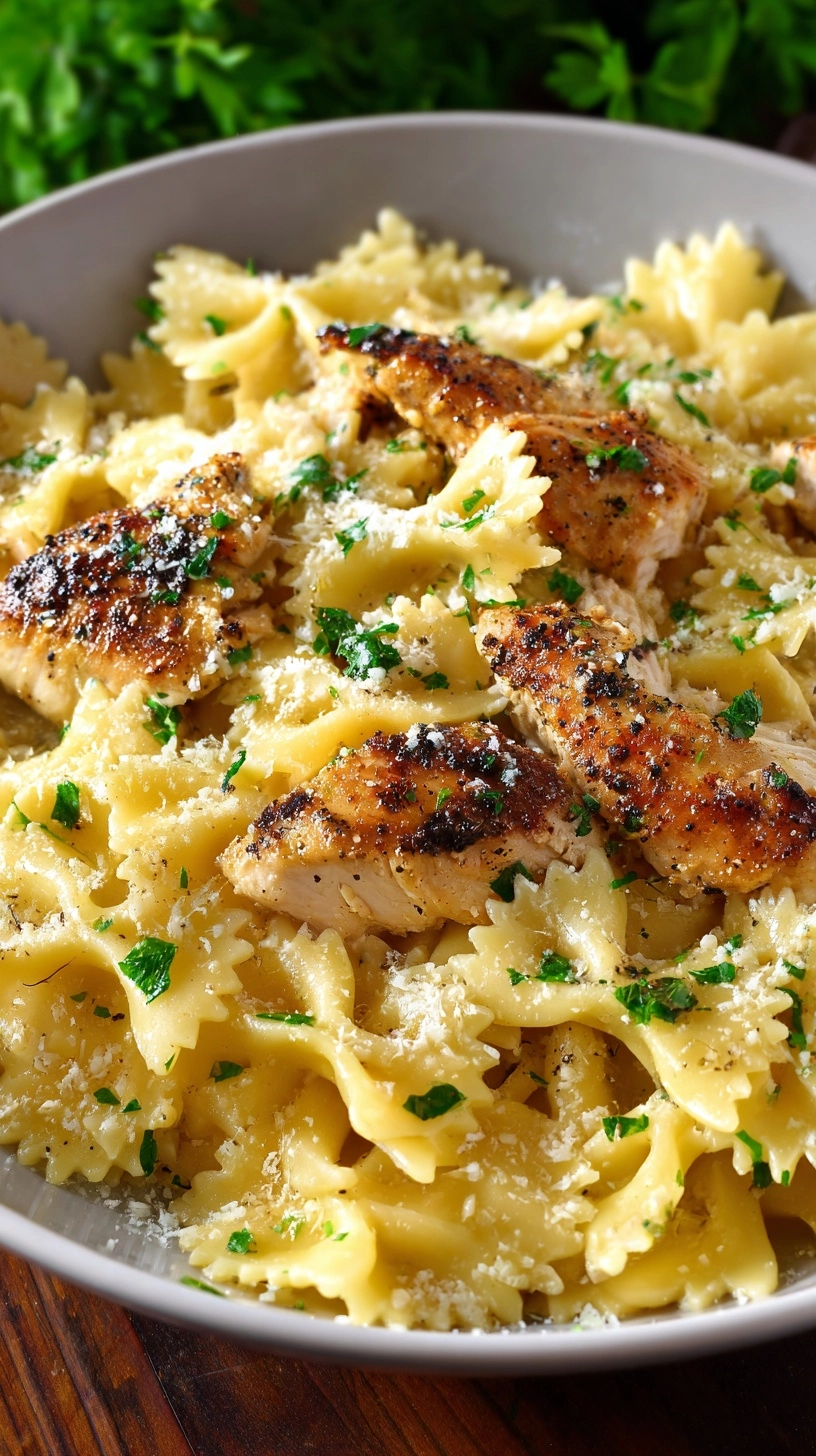
Healthier Alternatives for Garlic Parmesan Chicken Pasta
Transform this comfort classic into a nutritional powerhouse without sacrificing taste. Substitute half the pasta with spiralized zucchini noodles, reducing carbohydrates by 35% while adding vitamin C and fiber. Replace heavy cream with pureed cauliflower mixed with low-fat milk for a creamy texture with 60% fewer calories.
For protein variety, try cubed firm tofu marinated in garlic and herbs, or use turkey breast for leaner meat. Boost vegetable content by adding sautéed spinach, cherry tomatoes, or roasted bell peppers—these additions provide antioxidants and fiber while enhancing visual appeal.
Consider using nutritional yeast alongside reduced Parmesan for extra B-vitamins and umami flavor. This combination maintains the signature taste while improving the overall nutritional profile significantly.
Serving Suggestions
Elevate your Garlic Parmesan Chicken Pasta presentation with these restaurant-inspired ideas. Serve in warmed bowls with a side of garlic bread made from whole grain baguette slices brushed with herb-infused olive oil. Add a crisp Caesar salad with homemade croutons for textural contrast.
For entertaining, create a pasta bar allowing guests to customize their portions with additional toppings: toasted pine nuts, sun-dried tomatoes, or fresh herbs. Pair with a light, refreshing cucumber water infused with lemon and mint to cleanse the palate between bites.
During warmer months, serve alongside grilled asparagus or a Mediterranean-style tomato salad. The fresh, bright flavors complement the rich, creamy pasta beautifully while adding seasonal variety to your meal.
Common Mistakes to Avoid
The biggest error in Garlic Parmesan Chicken Pasta preparation is adding cheese to hot sauce, causing separation and graininess. Always remove from heat first. Another frequent mistake is undersalting the pasta water—properly seasoned water is your foundation for flavorful pasta.
Overcrowding chicken in the pan prevents proper searing, resulting in steamed, gray meat instead of golden, flavorful pieces. Cook in batches if necessary. Using pre-grated Parmesan saves time but costs flavor—freshly grated cheese melts smoother and tastes significantly better.
Don’t rinse pasta after draining—the surface starch helps sauce adhere properly. Finally, avoid reheating over high heat, which breaks the cream sauce. Gentle warming preserves the silky texture you worked to achieve.
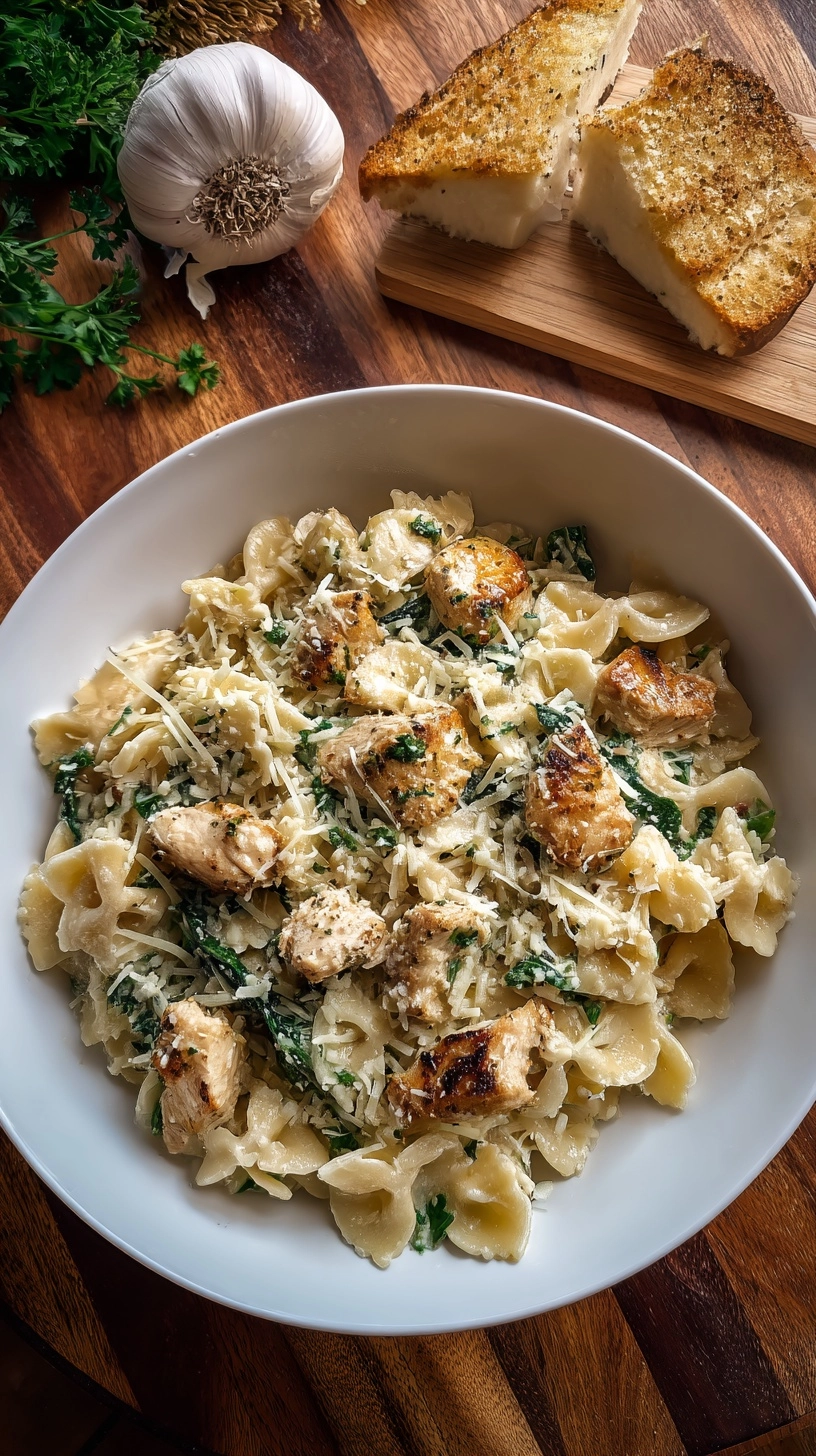
Storing Tips for Your Garlic Parmesan Chicken Pasta
Proper storage maintains quality and safety for up to 3 days refrigerated. Cool completely before transferring to airtight containers—hot food raises refrigerator temperature, affecting other items. Store sauce and pasta together; separation is normal and easily remedied during reheating.
For reheating, add 2-3 tablespoons milk or broth per serving to restore creamy consistency. Heat gently in a skillet over medium-low heat, stirring frequently. Microwave reheating works but requires 30-second intervals with stirring to prevent hot spots.
This recipe doesn’t freeze well due to the cream sauce, which separates upon thawing. Instead, prep components ahead: cook chicken and store separately, prepare sauce base without cream, and cook pasta slightly underdone for quick assembly later.
FAQs
Can I make this dish ahead of time?
While best served fresh, you can prepare components separately up to 24 hours ahead. Cook chicken and store refrigerated, prepare garlic butter base, and cook pasta slightly underdone. Combine and finish just before serving for optimal texture and flavor.
What’s the best pasta shape for this recipe?
Fettuccine and penne work excellently, but rigatoni, shells, or rotini also capture the creamy sauce well. Choose shapes with ridges or curves that hold sauce effectively rather than smooth varieties like angel hair.
How can I fix a broken cream sauce?
Remove from heat immediately and whisk in cold cream one tablespoon at a time. If severely broken, blend with an immersion blender or strain and start the sauce portion fresh—it’s worth the extra effort for perfect results.
Can I substitute the chicken broth?
Absolutely! Vegetable broth, mushroom broth, or even reserved pasta water work well. Each adds slightly different flavor notes, so choose based on your preference and dietary requirements.