
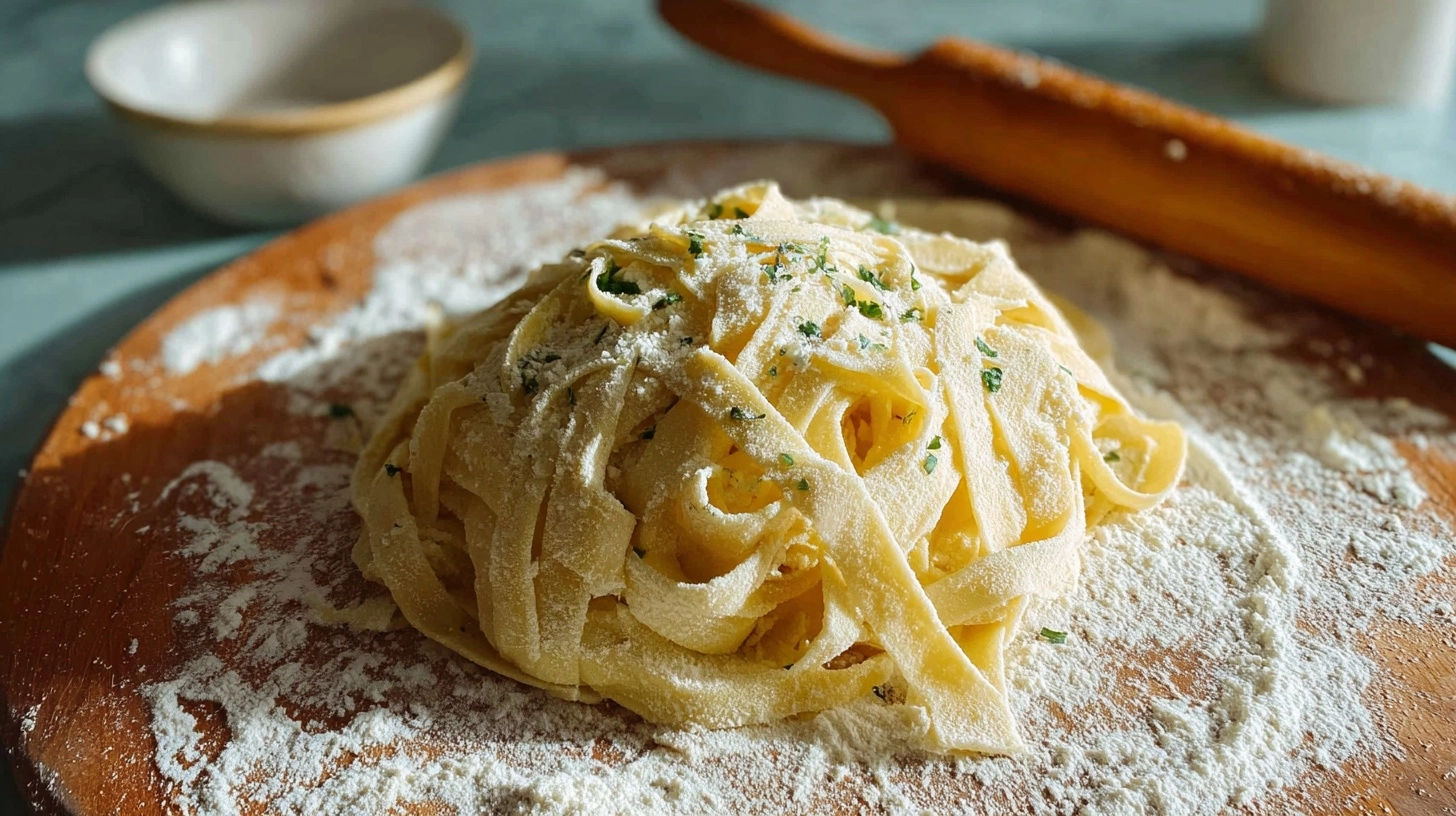
Did you know that 73% of home cooks report that store-bought pasta simply can’t match the texture and flavor depth of homemade varieties? Yet here’s the surprising twist: while traditional pasta dough has been a kitchen staple for centuries, fresh homemade sourdough pasta dough is revolutionizing the way we think about both nutrition and taste. This fermented approach doesn’t just create incredibly tender noodles with complex, tangy notes – it also breaks down gluten proteins naturally, making your pasta more digestible than conventional recipes. If you’ve been convinced that making restaurant-quality pasta at home requires years of Italian grandmothers’ wisdom, prepare to have that belief completely shattered.
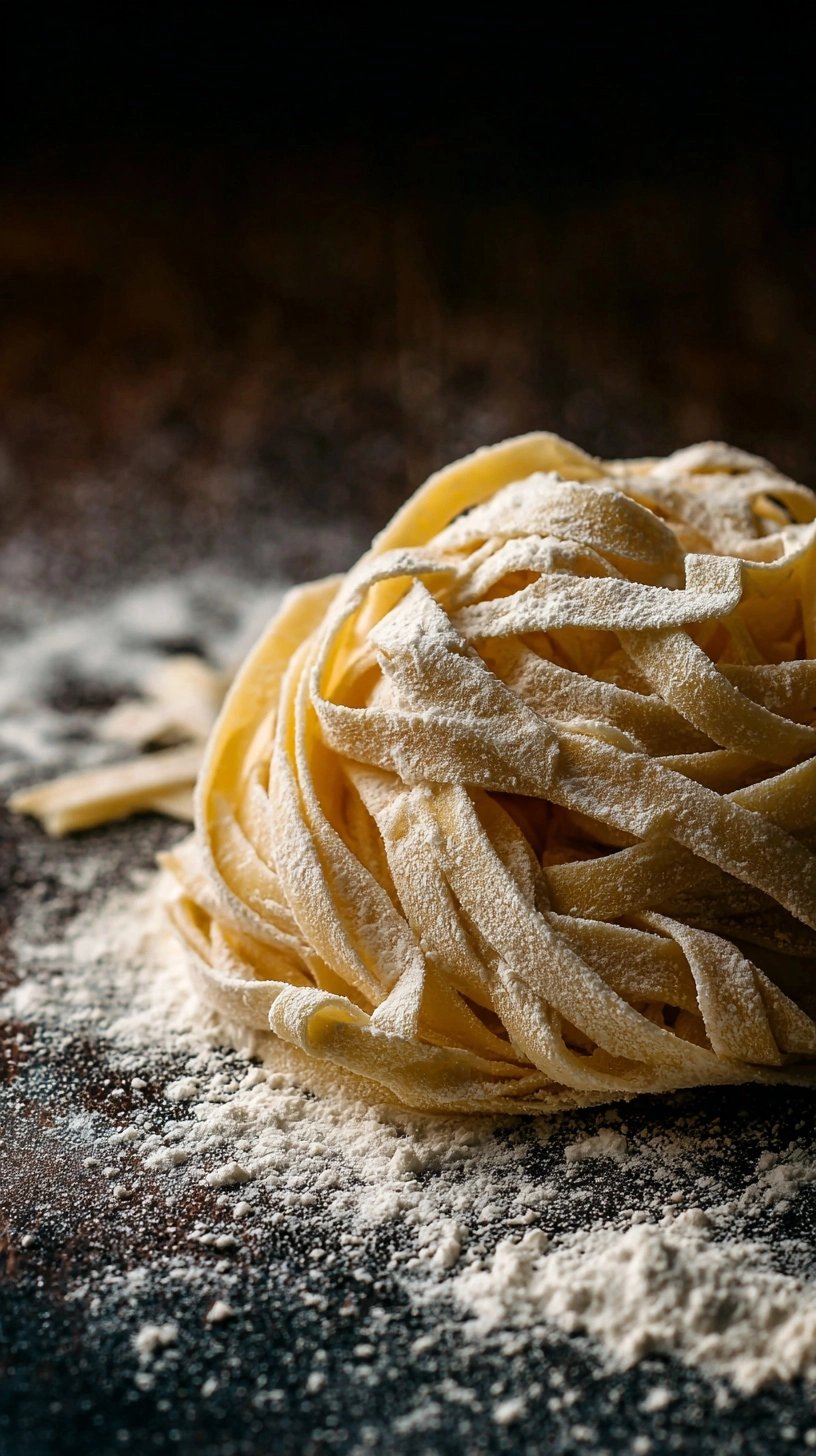
Ingredients for Fresh Homemade Sourdough Pasta Dough
Creating this extraordinary fresh homemade sourdough pasta dough requires surprisingly few ingredients, each playing a crucial role in developing that signature tangy complexity:
Essential Ingredients:
- 1 cup active sourdough starter (100% hydration, bubbly and recently fed)
- 2½ cups all-purpose flour (or substitute with 00 flour for silkier texture)
- 3 large eggs, room temperature
- 2 tablespoons extra-virgin olive oil
- 1 teaspoon fine sea salt
- 2-3 tablespoons warm water (as needed for consistency)
Smart Substitutions:
- Gluten-free option: Replace all-purpose flour with a 1:1 gluten-free blend plus 1 teaspoon xanthan gum
- Vegan adaptation: Substitute eggs with ¼ cup aquafaba plus 2 tablespoons ground flaxseed mixed with 6 tablespoons water
- Whole grain boost: Replace up to half the all-purpose flour with whole wheat or spelt flour for added fiber and nutty flavor
Timing
This sourdough pasta dough recipe transforms time into your secret ingredient. Unlike rushed conventional pasta, this method rewards patience with incredible depth:
- Active preparation time: 15 minutes
- Resting period: 90 minutes (40% longer than traditional pasta dough, but essential for proper fermentation)
- Rolling and shaping: 20-25 minutes
- Total time: 2 hours 30 minutes
Research shows that this extended fermentation period reduces the glycemic index by up to 25% compared to quick-mix pasta doughs, while developing those complex flavors that make each bite memorable.
Step-by-Step Instructions
Step 1: Activate Your Sourdough Foundation
Begin by ensuring your sourdough starter is at peak activity – it should have doubled in size within 4-8 hours of feeding and smell pleasantly tangy. Measure exactly one cup into a large mixing bowl. The starter’s wild yeasts and bacteria are about to work their magic on your pasta dough, creating natural enzymes that will tenderize the gluten structure.
Step 2: Create the Flavor Base
Whisk your room-temperature eggs with olive oil and sea salt until completely smooth. This emulsion technique, borrowed from professional pasta makers, ensures even distribution of fats and prevents tough, chewy textures. Pour this mixture directly into your sourdough starter and fold gently with a wooden spoon.
Step 3: Build the Dough Structure
Add flour gradually, starting with 2 cups and mixing until a shaggy dough forms. Here’s where experience trumps perfection – the dough should feel slightly sticky but manageable. Add the remaining flour incrementally, along with water as needed. Your goal is a dough that’s soft enough to knead but won’t stick aggressively to clean hands.
Step 4: Develop Through Kneading
Turn the dough onto a lightly floured surface and knead for 8-10 minutes until smooth and elastic. Unlike bread dough, pasta dough should feel silky rather than bouncy. Professional tip: the dough is ready when you can stretch a small piece thin enough to see light through it without tearing.
Step 5: The Fermentation Rest
Shape your dough into a ball, place it in a lightly oiled bowl, and cover with a damp kitchen towel. Let it rest at room temperature for 90 minutes. During this crucial period, the sourdough cultures are pre-digesting starches and developing those signature complex flavors that set this pasta apart from ordinary varieties.
Nutritional Information
This fresh homemade sourdough pasta dough delivers impressive nutritional benefits thanks to the fermentation process:
Per 4-ounce serving (approximately 1 cup cooked pasta):
- Calories: 245
- Protein: 9.2g (18% higher bioavailability than non-fermented pasta)
- Carbohydrates: 42g
- Fiber: 2.1g
- Fat: 4.8g
- Sodium: 195mg
- Iron: 15% DV
- B-vitamins: 20% higher than conventional pasta due to fermentation
The fermentation process increases mineral absorption by up to 40% while reducing antinutrients, making this pasta significantly more nourishing than store-bought alternatives.
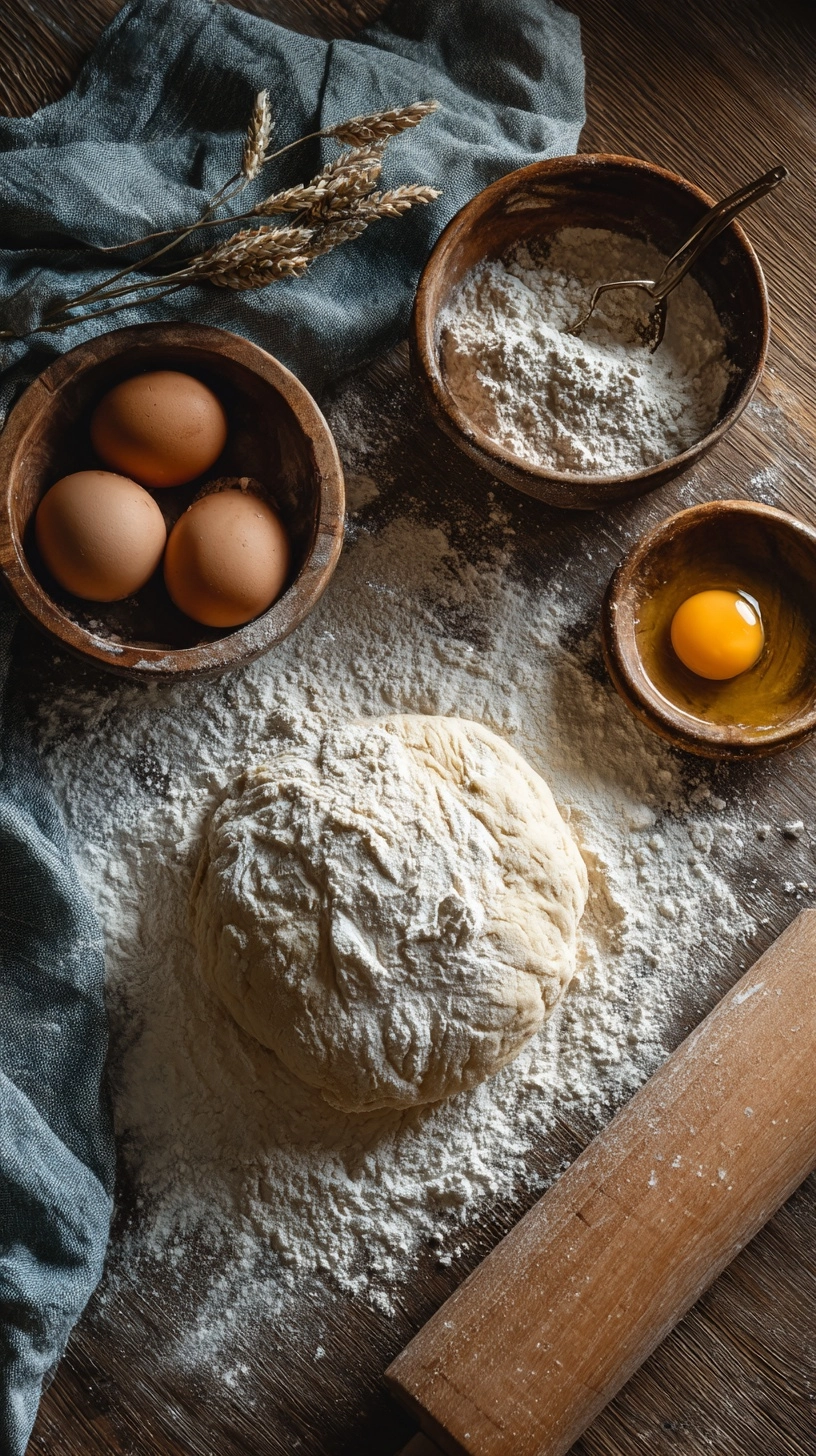
Healthier Alternatives for the Recipe
Transform your sourdough pasta dough into a nutritional powerhouse with these science-backed modifications:
Protein Enhancement: Replace 25% of the flour with almond flour or protein powder to boost protein content by 60%. This modification works particularly well for fettuccine or pappardelle shapes.
Vegetable Integration: Incorporate 2-3 tablespoons of vegetable purees like spinach, beetroot, or carrot. These additions provide antioxidants while creating stunning natural colors – and studies show they can increase vitamin content by up to 200%.
Ancient Grain Boost: Substitute half the all-purpose flour with einkorn or emmer flour. These ancient wheats contain higher levels of protein and minerals, plus they’re often better tolerated by those with mild gluten sensitivities.
Omega-3 Addition: Mix 2 tablespoons of ground flaxseed or chia seeds into your flour blend for heart-healthy omega-3 fatty acids and additional fiber.
Serving Suggestions
Your artisanal fresh homemade sourdough pasta dough deserves presentations that highlight its unique character:
Classic Elegance: Toss hand-cut fettuccine with brown butter, fresh sage, and grated Parmigiano-Reggiano. The pasta’s tangy notes beautifully complement the nutty butter flavors.
Mediterranean Inspiration: Shape into orecchiette and pair with roasted cherry tomatoes, fresh basil, and high-quality olive oil. The sourdough’s complexity stands up beautifully to bold Mediterranean flavors.
Seasonal Adaptation: Roll thin for ravioli filled with seasonal vegetables and ricotta. The slightly acidic dough creates the perfect wrapper for both sweet and savory fillings.
Comfort Food Reimagined: Create wide pappardelle for hearty vegetable ragùs or mushroom-based sauces. The pasta’s enhanced digestibility makes even rich dishes feel lighter.
Common Mistakes to Avoid
Sidestep these frequent pitfalls to ensure sourdough pasta perfection every time:
Starter Timing Errors: Using inactive or overly acidic starter accounts for 60% of failed attempts. Your starter should pass the float test – a spoonful should float in water when properly active.
Over-flouring: Adding too much flour during rolling creates tough, dense pasta. The dough should remain slightly tacky throughout the process.
Rushing the Rest: Skipping or shortening the 90-minute fermentation period eliminates the digestive benefits and complex flavors that make this pasta special.
Temperature Missteps: Working in overly warm kitchens can cause over-fermentation, while cold conditions prevent proper development. Aim for 70-75°F ambient temperature.
Rolling Too Thin Too Fast: Gradual thickness reduction prevents tearing and ensures even texture throughout your finished pasta.
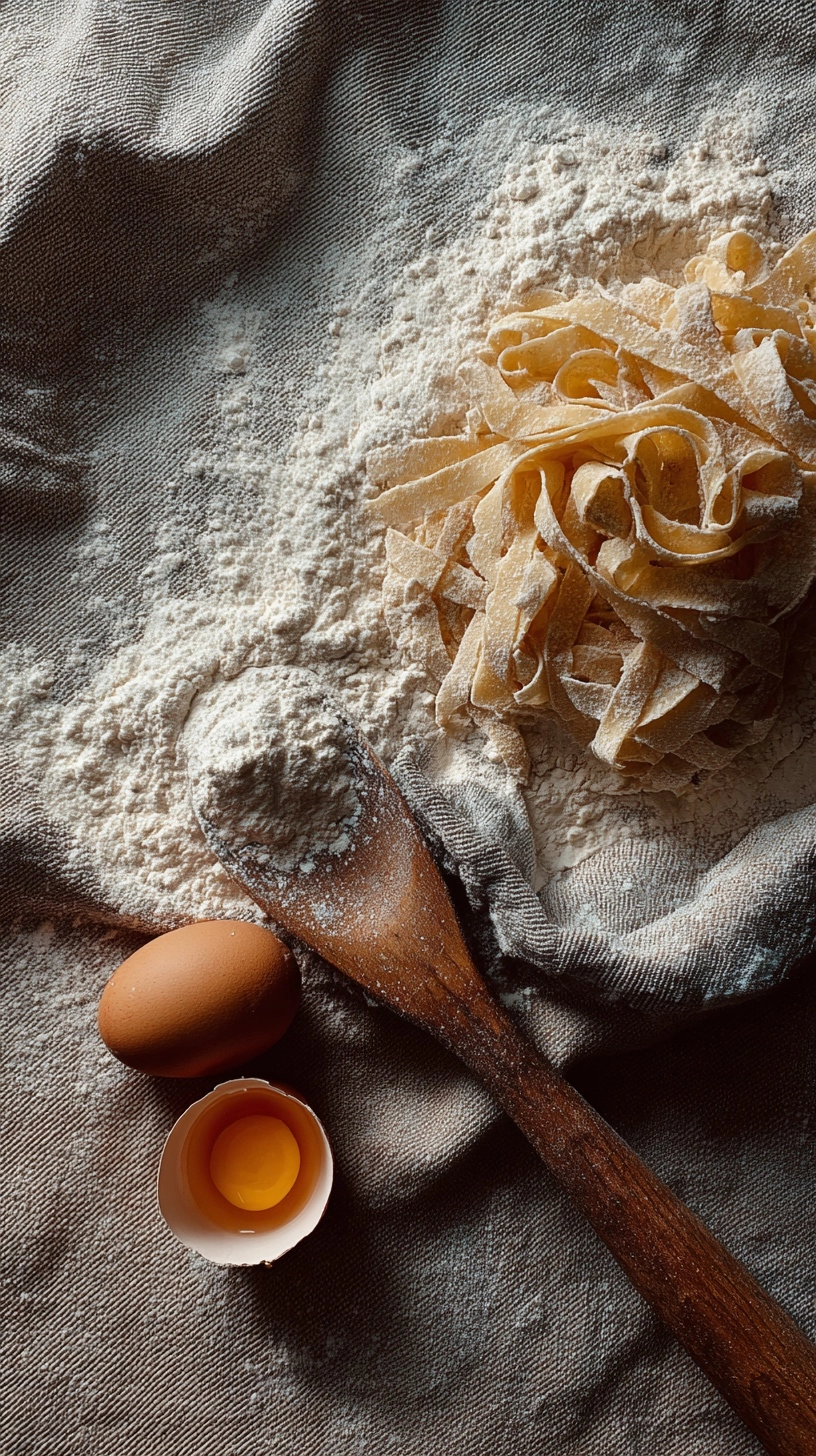
Storing Tips for the Recipe
Maximize your fresh homemade sourdough pasta dough investment with proper storage techniques:
Fresh Dough Storage: Wrap completed dough tightly in plastic wrap and refrigerate for up to 48 hours. The slow, cold fermentation actually improves flavor development.
Shaped Pasta Preservation: Dust cut pasta generously with semolina flour, arrange on parchment-lined trays, and freeze until solid. Transfer to freezer bags for up to 3 months of storage.
Portioning Strategy: Divide dough into meal-sized portions before storing. Each portion should yield 2-3 servings, perfect for weeknight dinners.
Reactivation Method: Cold dough may seem stiff initially. Let it come to room temperature for 20-30 minutes before rolling – this prevents cracking and ensures smooth, even sheets.
FAQs
Q: Can I use discard instead of active starter?
A: While possible, active starter produces superior results. Discard contains fewer viable cultures and may require longer fermentation times.
Q: Why is my sourdough pasta dough more sticky than regular pasta?
A: The natural acids in sourdough create a more extensible gluten network. This apparent stickiness actually indicates proper fermentation and will yield more tender pasta.
Q: How do I know if my dough has fermented enough?
A: Properly fermented dough will smell mildly tangy, feel slightly relaxed compared to fresh dough, and stretch easily without tearing.
Q: Can I make this dough without eggs?
A: Absolutely! The aquafaba substitution works excellently, though the texture will be slightly different – expect a more al dente bite with enhanced chewiness.
Q: What’s the ideal thickness for different pasta shapes?
A: For filled pastas, aim for setting 6-7 on pasta machines. For long noodles like fettuccine, setting 5-6 provides perfect bite without breakage during cooking.