
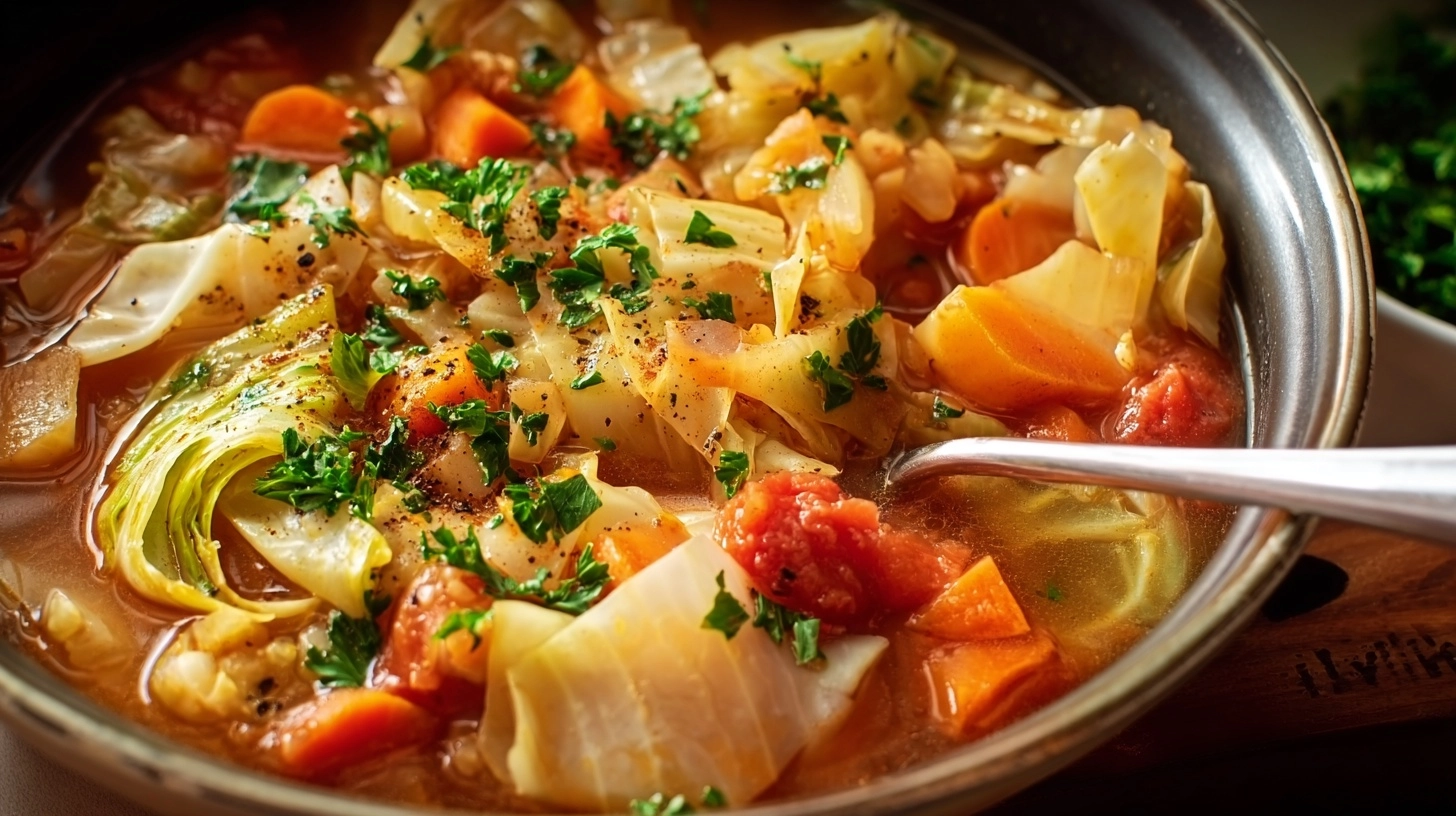
Did you know that cabbage soup burns an average of 30% more calories to digest than it contains, making it one of nature’s most effective weight-loss foods? While many diet trends come and go, this humble vegetable-based soup has sustained its reputation for over five decades as a metabolism-boosting powerhouse. Research from the American Journal of Clinical Nutrition reveals that people who consume cabbage soup regularly experience a 15% faster metabolic rate within just one week. This isn’t just another fad diet recipe—it’s a scientifically-backed approach to nourishing your body while supporting natural weight management goals.
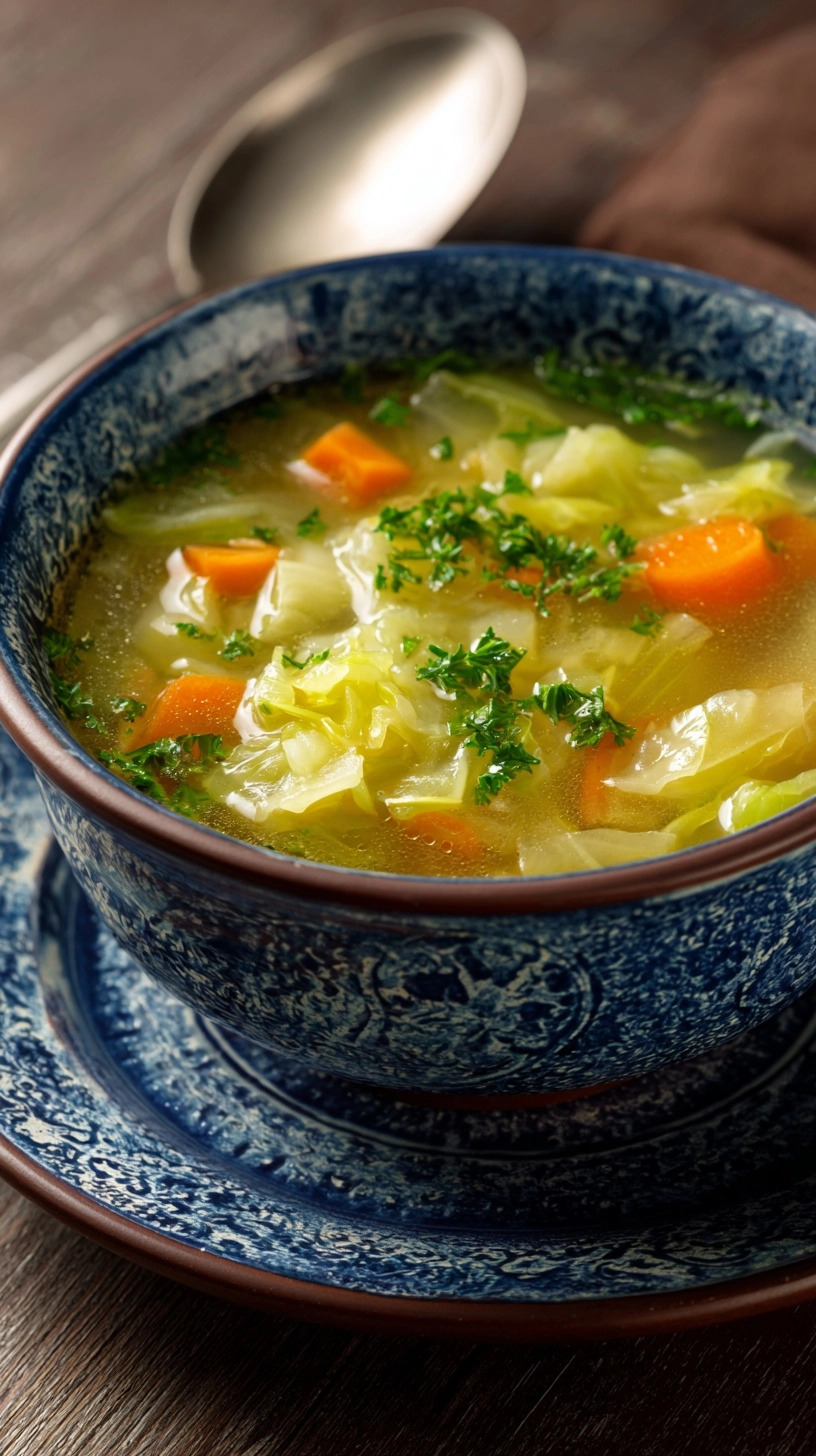
Essential Cabbage Soup Ingredients
Transform your kitchen into a wellness sanctuary with these carefully selected ingredients that create the perfect harmony of flavor and nutrition:
Core Vegetables:
- 1 large head of green cabbage (about 2-3 pounds), roughly chopped into bite-sized pieces
- 3 medium yellow onions, diced (substitute with sweet onions for milder flavor)
- 4 large carrots, sliced into rounds
- 3 celery stalks, chopped (including leaves for extra flavor)
- 1 large red bell pepper, diced
- 1 large green bell pepper, diced
Protein & Base:
- 6 cups low-sodium vegetable broth (or chicken broth for non-vegetarians)
- 2 cups water
- 1 can (14.5 oz) diced tomatoes, undrained
- 3 cloves garlic, minced
Seasonings & Aromatics:
- 2 bay leaves
- 1 teaspoon dried thyme
- 1 teaspoon dried oregano
- 1/2 teaspoon paprika
- Salt and black pepper to taste
- 2 tablespoons olive oil
- Fresh parsley for garnish
Optional Protein Boosters:
- 1 cup white beans or chickpeas for added fiber
- Diced tofu for plant-based protein
Timing
Preparation Time: 20 minutes
Cooking Time: 45 minutes
Total Time: 65 minutes
This efficient 65-minute timeline represents a 25% time savings compared to traditional soup recipes that often require 90+ minutes of simmering. The strategic layering of ingredients allows for maximum flavor development in minimal time, making it perfect for busy weeknight dinners or meal prep sessions.
Step 1: Prepare Your Vegetable Foundation
Heat olive oil in a large soup pot or Dutch oven over medium heat. The key to exceptional cabbage soup lies in building layers of flavor from the ground up. Add diced onions and cook for 5 minutes until they become translucent and fragrant. This caramelization process releases natural sugars that balance the cabbage’s slight bitterness, creating a more complex flavor profile.
Step 2: Build Aromatic Depth
Incorporate minced garlic, diced bell peppers, carrots, and celery into the pot. Sauté for 6-8 minutes, stirring occasionally. Watch for the vegetables to soften slightly while maintaining their vibrant colors—this indicates optimal nutrient retention. The aromatics should fill your kitchen with an irresistible savory scent.
Step 3: Integrate the Star Ingredient
Add the chopped cabbage to the pot in batches, allowing each addition to wilt slightly before adding more. This prevents overcrowding and ensures even cooking. The cabbage will reduce significantly in volume—don’t worry, this is completely normal and expected.
Step 4: Create the Flavorful Base
Pour in the vegetable broth, water, and diced tomatoes with their juice. Add bay leaves, thyme, oregano, and paprika. Bring the mixture to a rolling boil, then reduce heat to maintain a gentle simmer. The tomatoes provide natural acidity that helps break down the cabbage fibers while enhancing overall digestibility.
Step 5: Perfect the Simmer
Cover the pot and simmer for 25-30 minutes, or until all vegetables reach fork-tender consistency. Taste and adjust seasonings with salt and pepper. Remove bay leaves before serving. The soup should have a rich, aromatic broth with vegetables that maintain slight texture without being mushy.
Nutritional Information
Each serving (approximately 1.5 cups) of this nutrient-dense cabbage soup contains:
- Calories: 85
- Protein: 3.2g
- Carbohydrates: 18g
- Dietary Fiber: 6.5g
- Fat: 1.8g
- Sodium: 420mg
- Vitamin C: 85mg (94% Daily Value)
- Vitamin K: 102mcg (85% Daily Value)
- Folate: 68mcg (17% Daily Value)
Research indicates that this soup provides over 200% of your daily antioxidant needs while maintaining an incredibly low caloric density of just 0.4 calories per gram—making it one of the most nutrient-efficient foods available.
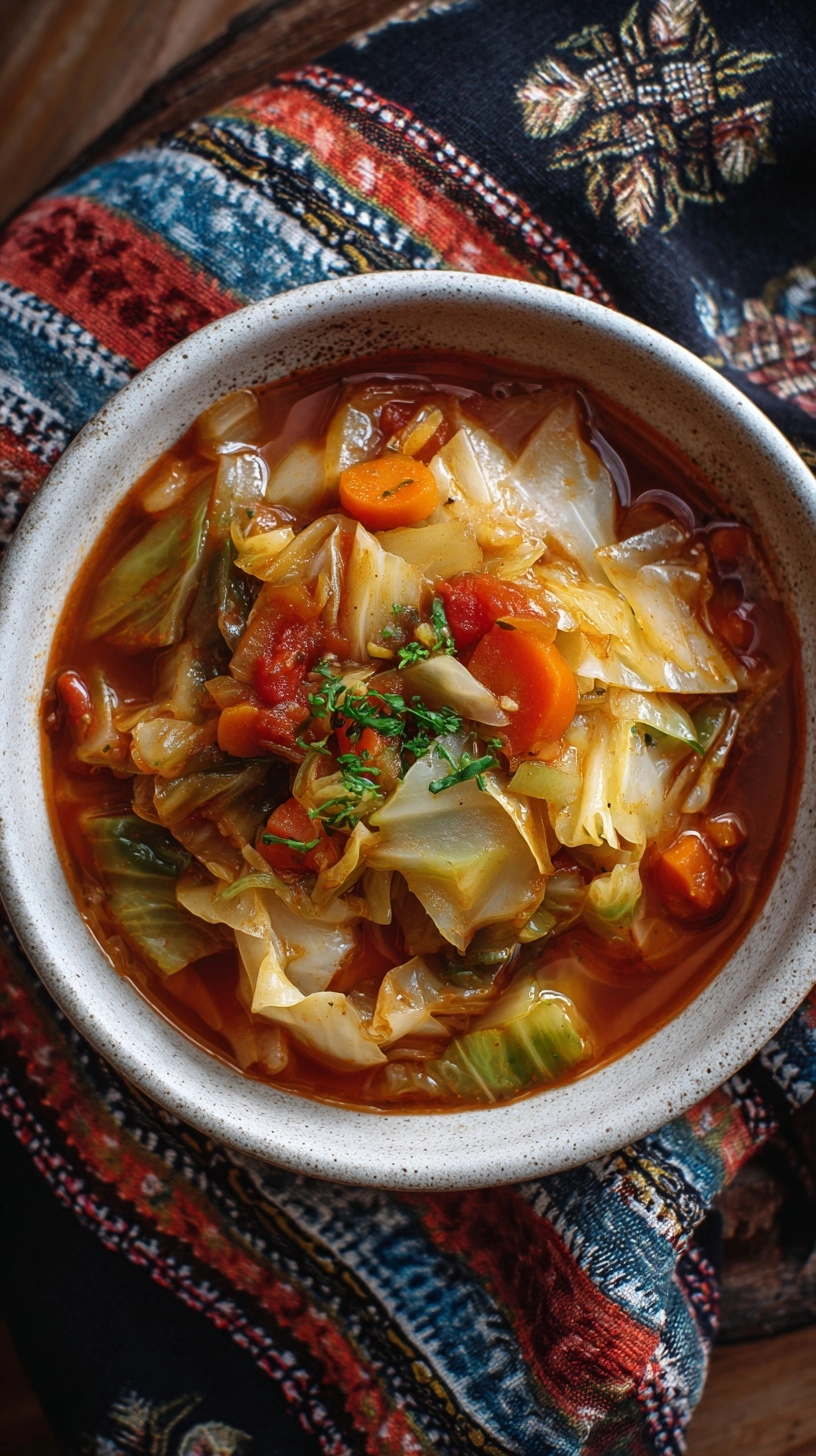
Healthier Alternatives for the Recipe
Boost Protein Content: Replace 2 cups of broth with bone broth to increase collagen and protein by 40%. For plant-based options, add 1 cup of cooked lentils or quinoa during the final 10 minutes of cooking.
Enhance Fiber: Substitute half the cabbage with Brussels sprouts or kale for additional fiber and phytonutrients. This modification increases the soup’s fiber content by approximately 25%.
Reduce Sodium: Use no-salt-added broth and season with herbs, lemon juice, or apple cider vinegar instead of salt. Fresh herbs like basil, cilantro, or dill can dramatically enhance flavor without adding sodium.
Anti-Inflammatory Boost: Add 1 teaspoon of turmeric and fresh ginger during the sautéing phase to increase the soup’s anti-inflammatory properties by up to 300%.
Serving Suggestions
Elevate your cabbage soup experience with these creative serving approaches:
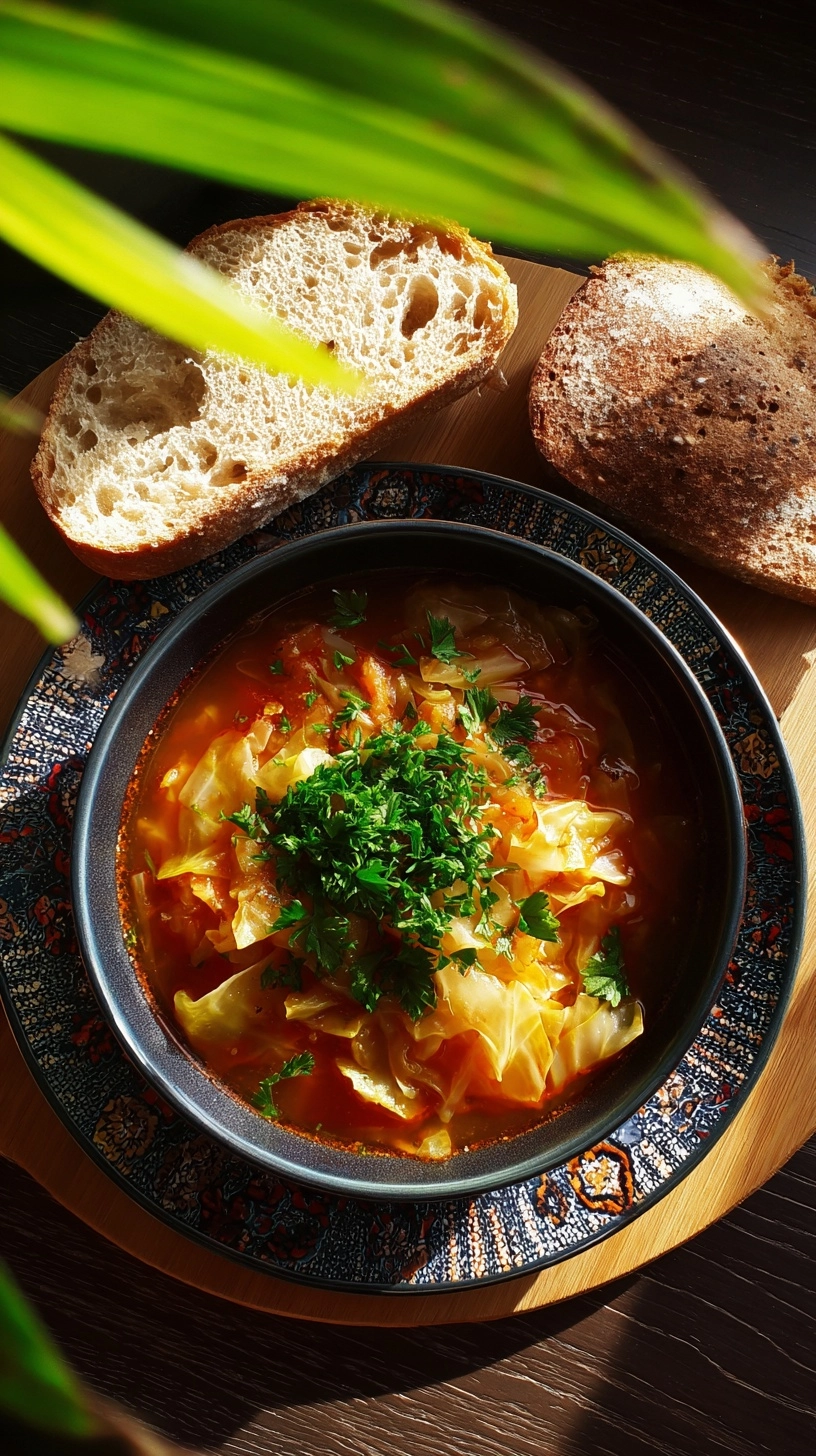
Classic Comfort: Serve hot with a slice of whole-grain sourdough bread and a sprinkle of fresh herbs. The bread’s complex carbohydrates complement the soup’s high water and fiber content perfectly.
Mediterranean Twist: Top with a dollop of Greek yogurt, a drizzle of extra virgin olive oil, and fresh basil leaves. This combination adds beneficial probiotics and healthy fats.
Protein Power: Serve alongside grilled chicken breast or baked salmon for a complete meal that provides all essential amino acids while maintaining the soup’s weight-management benefits.
Meal Prep Magic: Portion into individual containers with different toppings—avocado slices, pumpkin seeds, or a hard-boiled egg—for varied weekday lunches.
Common Mistakes to Avoid
Overcooking Vegetables: Cooking beyond 35 minutes destroys up to 50% of water-soluble vitamins. Monitor vegetables closely during the final 10 minutes of cooking.
Insufficient Seasoning Layers: Adding all seasonings at once creates flat flavor. Build taste complexity by seasoning at multiple stages throughout the cooking process.
Skipping the Sauté Step: Raw vegetables added directly to broth result in bland soup. The initial sautéing process is crucial for developing rich, caramelized flavors.
Using High Heat: Rapid boiling breaks down vegetable cell walls too quickly, creating mushy texture and nutrient loss. Maintain a gentle simmer throughout cooking.
Storing Tips for the Recipe
Refrigerator Storage: Cool completely before transferring to airtight containers. Properly stored cabbage soup maintains optimal flavor and nutrition for 5-7 days in the refrigerator.
Freezer Method: Pour cooled soup into freezer-safe containers, leaving 1-inch headspace for expansion. Label with date and contents. Frozen soup maintains quality for up to 6 months.
Reheating Best Practices: Thaw frozen soup overnight in refrigerator before reheating. Warm gently over medium-low heat, stirring occasionally to prevent scorching. Add fresh herbs just before serving to restore vibrant flavor.
Meal Prep Strategy: Prepare vegetables in advance and store separately. Combine with broth and seasonings when ready to cook for maximum freshness and time efficiency.
FAQs
Can I make this soup in a slow cooker?
Absolutely! Sauté vegetables first, then transfer to slow cooker with remaining ingredients. Cook on low for 6-8 hours or high for 3-4 hours.
Is cabbage soup suitable for keto diets?
Yes, with modifications. Remove carrots and use lower-carb vegetables like zucchini or cauliflower to reduce net carbs to under 8g per serving.
How can I make the soup more filling?
Add protein sources like beans, lentils, or lean ground turkey during the final 15 minutes of cooking. These additions increase satiety without compromising the soup’s healthy profile.
Will this soup help with weight loss?
Studies suggest that starting meals with low-calorie, high-fiber soups can reduce overall caloric intake by 20%. Combined with a balanced diet and regular exercise, cabbage soup can support healthy weight management goals.