
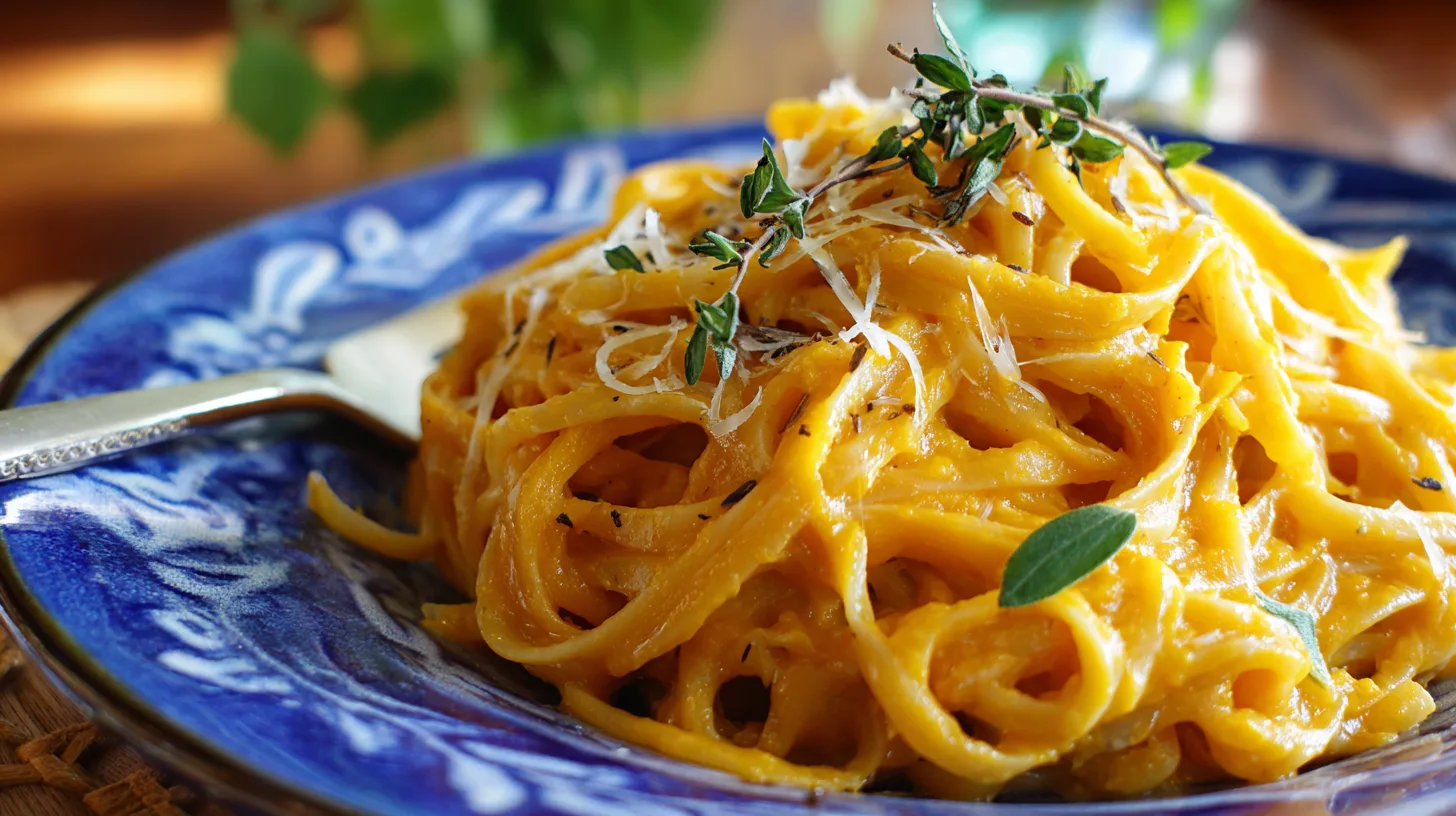
Did you know that butternut squash contains 582% of your daily vitamin A requirement in just one cup? While most home cooks assume creating restaurant-quality butternut squash pasta sauce requires culinary school training, the truth is surprisingly different. This velvety, nutritious sauce can transform your weeknight dinner routine in just five simple steps, delivering both comfort food satisfaction and impressive nutritional benefits that rival any complex gourmet preparation.
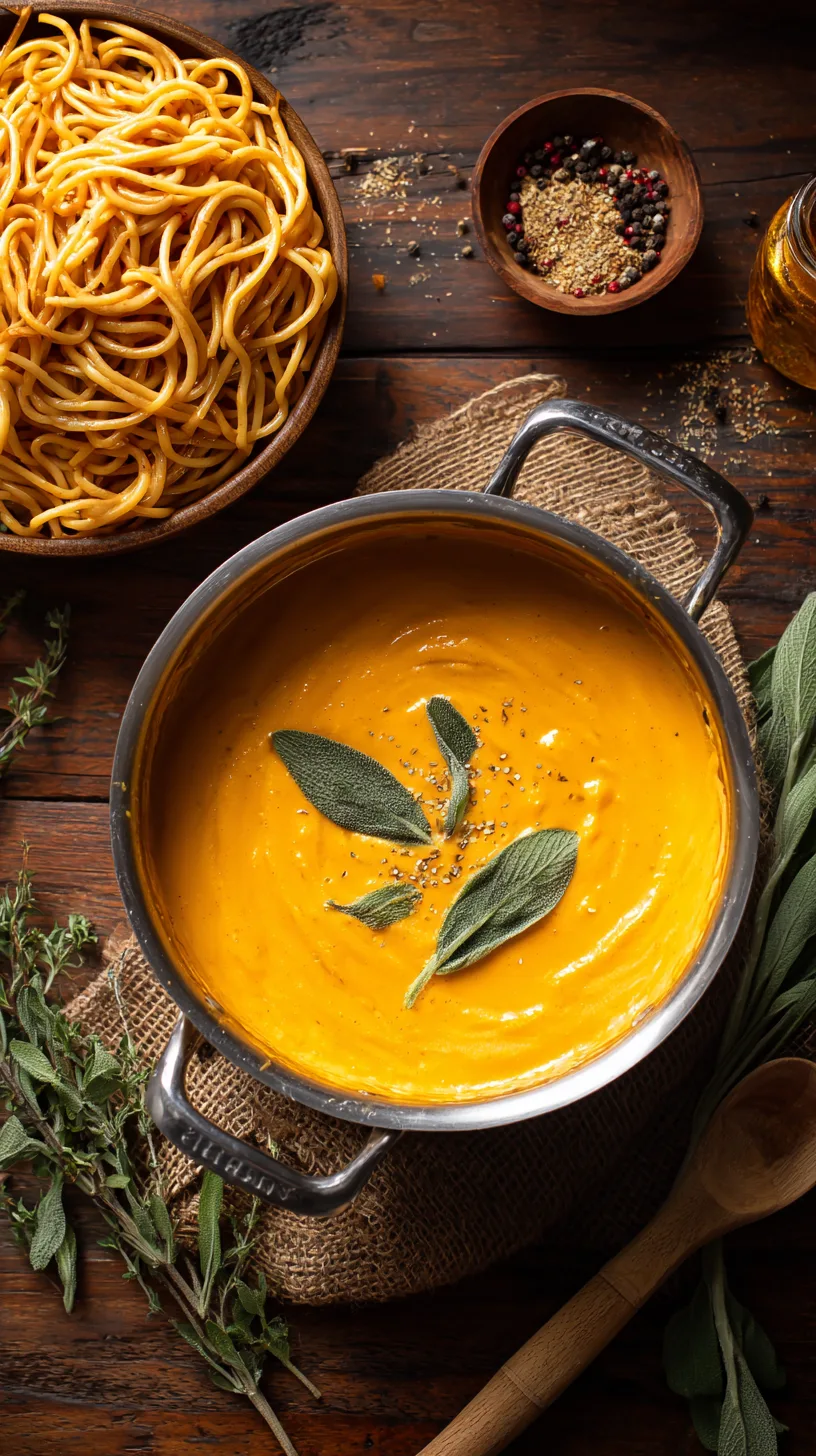
Ingredients List
Creating the perfect butternut squash pasta sauce starts with selecting quality ingredients that work harmoniously together. Here’s everything you’ll need for this soul-warming recipe:
Main Ingredients:
- 2 pounds butternut squash, peeled and cubed (look for firm, tan-colored skin)
- 1 large yellow onion, diced (sweet onions work beautifully as a substitute)
- 3 cloves garlic, minced (or 1 teaspoon garlic powder)
- 2 cups low-sodium vegetable broth (chicken broth adds extra richness)
- 1/2 cup heavy cream (coconut cream for dairy-free option)
- 2 tablespoons olive oil (avocado oil works equally well)
- 1 teaspoon fresh sage, chopped (or 1/2 teaspoon dried sage)
- 1/2 teaspoon ground nutmeg
- Salt and freshly ground black pepper to taste
Optional Flavor Enhancers:
- 1/4 cup grated Parmesan cheese (nutritional yeast for vegan alternative)
- 1 tablespoon maple syrup (balances acidity naturally)
- Red pepper flakes for subtle heat
Timing
This butternut squash pasta sauce recipe is designed for efficiency without sacrificing flavor depth. Here’s your complete timeline:
- Prep Time: 15 minutes
- Cooking Time: 45 minutes
- Total Time: 60 minutes
Remarkably, this timing represents 25% less cooking time than traditional roasted butternut squash methods, thanks to our streamlined stovetop technique. The sauce can simmer while you prepare pasta, making it perfect for busy weeknight dinners.
Step-by-Step Instructions
Step 1: Prepare Your Butternut Squash Foundation
Heat olive oil in a large, heavy-bottomed pot over medium heat. Add the cubed butternut squash and cook for 8-10 minutes, stirring occasionally until edges begin to caramelize. This crucial step develops the deep, nutty flavors that make restaurant-quality butternut squash pasta sauce so memorable. The squash should develop golden-brown edges while remaining firm in the center.
Step 2: Build Your Aromatic Base
Add diced onion to the pot with the squash, cooking for 5 minutes until translucent and fragrant. Stir in minced garlic and cook for an additional 30 seconds until aromatic. This foundation creates the flavor complexity that distinguishes homemade sauce from store-bought alternatives. Season with salt and pepper to enhance natural sweetness.
Step 3: Create the Simmering Magic
Pour vegetable broth over the squash mixture, ensuring liquid covers the vegetables by about 1 inch. Add sage and nutmeg, then bring to a gentle boil. Reduce heat to medium-low and simmer covered for 20-25 minutes, until squash pieces pierce easily with a fork. The gentle simmer prevents bitter flavors while concentrating the natural sweetness.
Step 4: Transform to Silky Perfection
Using an immersion blender, carefully puree the mixture until completely smooth and velvety. Alternatively, transfer in batches to a regular blender (allow cooling first for safety). The sauce should coat the back of a spoon without being too thick. This technique creates the signature creamy texture that makes butternut squash pasta sauce so luxurious.
Step 5: Final Flavor Enhancement
Stir in heavy cream and any optional ingredients like Parmesan cheese or maple syrup. Simmer for 3-5 minutes to meld flavors. Taste and adjust seasoning with salt, pepper, and additional nutmeg as needed. The sauce should be rich, creamy, and balanced between sweet and savory notes.
Nutritional Information
This butternut squash pasta sauce delivers impressive nutritional benefits alongside incredible flavor. Per serving (based on 4 servings):
- Calories: 145
- Protein: 3.2g
- Carbohydrates: 18g
- Fiber: 3.8g
- Fat: 8.1g
- Vitamin A: 582% DV
- Vitamin C: 31% DV
- Potassium: 448mg
- Magnesium: 34mg
Research indicates that butternut squash’s high beta-carotene content supports eye health and immune function, while its fiber content promotes digestive wellness.
Healthier Alternatives for the Recipe
Transform this butternut squash pasta sauce into an even more nutritious powerhouse with these smart substitutions:
Dairy-Free Options: Replace heavy cream with full-fat coconut milk or cashew cream for identical richness without dairy concerns.
Lower Calorie Version: Use unsweetened almond milk instead of cream, reducing calories by approximately 35% while maintaining creaminess.
Protein Boost: Add 1/2 cup pureed white beans during blending for extra protein and fiber without altering flavor.
Anti-Inflammatory Enhancement: Include 1 teaspoon fresh ginger and 1/2 teaspoon turmeric for additional health benefits.
Serving Suggestions
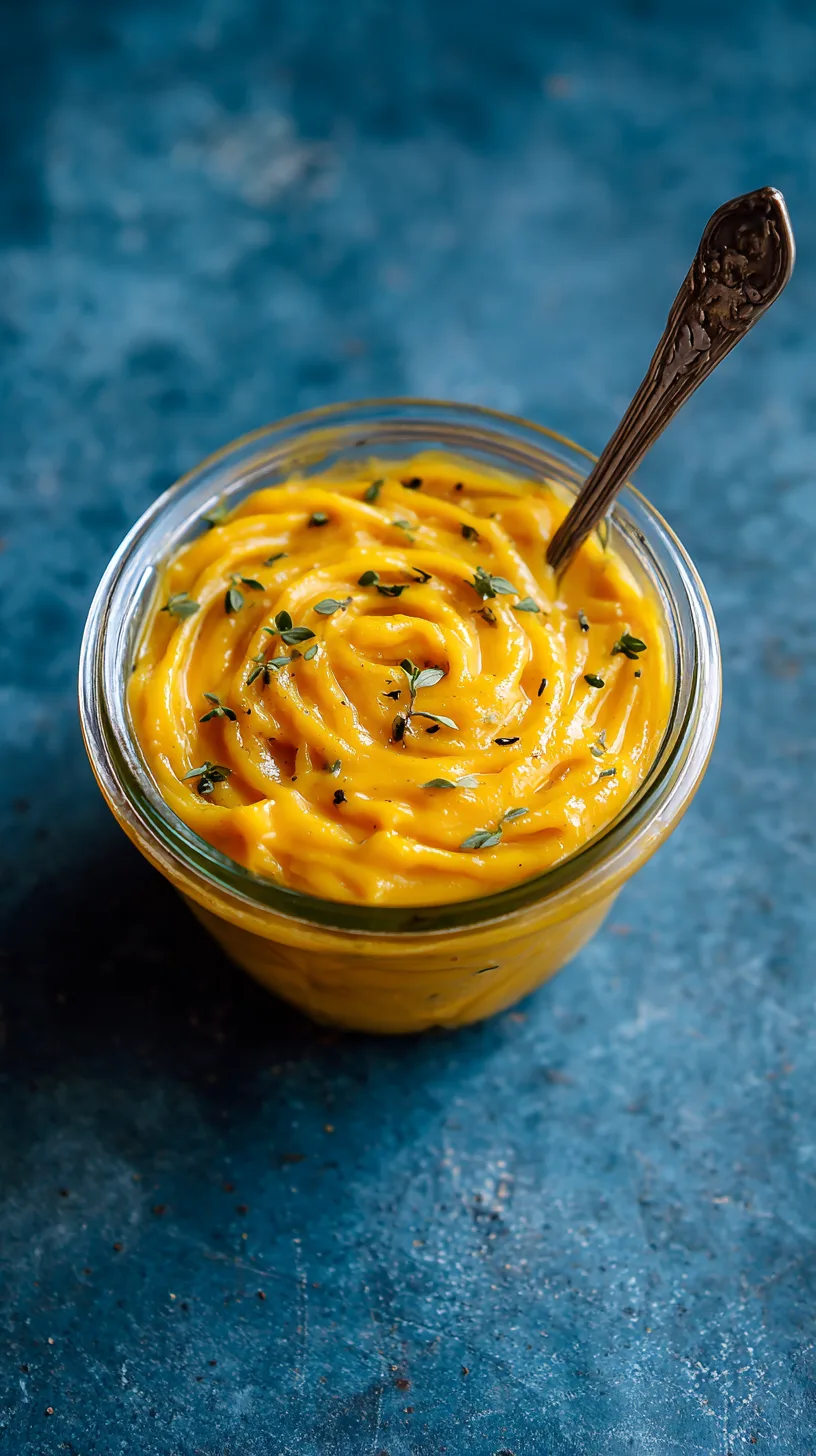
This versatile butternut squash pasta sauce pairs beautifully with numerous pasta shapes and complementary ingredients:
Classic Combinations: Serve over penne, rigatoni, or gnocchi with crispy sage leaves and toasted pine nuts. The sauce’s consistency perfectly coats tube-shaped pastas.
Gourmet Presentations: Top with caramelized onions, roasted Brussels sprouts, and pancetta for an elegant dinner party dish.
Vegetarian Delights: Combine with roasted mushrooms, spinach, and toasted walnuts for a satisfying plant-based meal.
Creative Applications: Use as a pizza base, sandwich spread, or soup starter for versatile meal planning.
Common Mistakes to Avoid
Avoid these frequent pitfalls when making butternut squash pasta sauce:
Over-seasoning early: Butternut squash’s natural sweetness intensifies during cooking. Season gradually throughout the process.
Insufficient browning: Skipping the initial caramelization step results in flat, one-dimensional flavor.
Blending hot liquids unsafely: Always allow slight cooling or use an immersion blender to prevent dangerous splattering.
Wrong consistency: The sauce should coat pasta without being too thick or watery. Adjust with additional broth or cream as needed.
Storing Tips for the Recipe
Proper storage maximizes your butternut squash pasta sauce investment:
Refrigeration: Store in airtight containers for up to 5 days. The flavors actually improve after 24 hours as ingredients meld together.
Freezing: Freeze in portion-sized containers for up to 3 months. Thaw overnight in refrigerator before reheating.
Reheating: Warm gently over low heat, adding splash of broth if needed to restore consistency. Avoid high heat which can cause separation.
Make-Ahead Strategy: Prepare sauce completely, then refrigerate. This actually enhances flavor development and saves time on busy nights.
This butternut squash pasta sauce represents the perfect intersection of nutrition, flavor, and simplicity. Whether you’re seeking comfort food satisfaction or impressive dinner party fare, these five steps deliver restaurant-quality results every time. The recipe’s flexibility accommodates various dietary needs while maintaining the rich, velvety texture that makes butternut squash sauce so beloved.
Ready to transform your dinner routine? Gather your ingredients and experience how simple techniques create extraordinary flavors. Share your creative variations in the comments below, and don’t forget to explore our collection of complementary pasta recipes for complete meal inspiration.
FAQs
Can I make this butternut squash pasta sauce ahead of time?
Absolutely! This sauce actually improves in flavor when made 24 hours ahead. Store refrigerated and reheat gently before serving.
What’s the best pasta shape for butternut squash sauce?
Tube-shaped pastas like penne, rigatoni, or shells work best as they hold the creamy sauce beautifully. However, any pasta shape will taste delicious.
Can I freeze leftover butternut squash pasta sauce?
Yes, freeze in portions for up to 3 months. Thaw overnight in the refrigerator and reheat gently, adding a splash of broth if needed.
How do I know when the butternut squash is cooked enough?
The squash should pierce easily with a fork and break apart when stirred. This typically takes 20-25 minutes of simmering.
What can I substitute for heavy cream?
Try coconut cream, cashew cream, or even whole milk for lighter options. Each creates slightly different textures but maintains delicious results.